IndiGo tells India's DGCA operations will be smooth after February 10
Airline says it has enough pilots and will end temporary duty rule exemptions after Feb 10
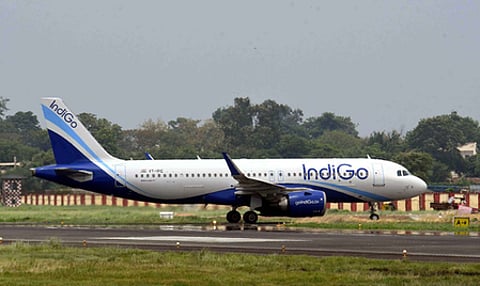
New Delhi: India’s largest airline, IndiGo, has told the aviation regulator that its flight operations will remain stable from February, even after temporary exemptions on pilot duty rules expire.
The Directorate General of Civil Aviation (DGCA) said on Tuesday that IndiGo has assured it of adequate crew availability and “no flight cancellations after February 10” on its currently approved network.
The assurance came after a review meeting held on January 19, following widespread delays and cancellations that disrupted the airline’s network in December.
No cancellations after Feb 10
According to the DGCA, IndiGo confirmed it has enough pilots to meet operational requirements once the full set of Flight Duty Time Limitation (FDTL) rules are implemented.
The airline told the regulator it would require around 2,280 captains by February 10 and currently has about 2,400 available. For first officers, IndiGo said it needs around 2,050 and has more than 2,240 on its rolls.
Based on this, IndiGo assured the regulator that it would not cancel flights after February 10, when two temporary FDTL exemptions granted in December are withdrawn.
Why IndiGo was given exemptions last year
IndiGo faced major operational disruptions in early December after the second phase of India’s revised pilot duty rules came into force in November.
Between December 1 and 9, the airline cancelled more than 4,200 flights after falling short of pilots needed to implement the stricter norms, which are designed to reduce crew fatigue and improve safety.
The DGCA later said the disruptions were caused by shortcomings in crew planning, inadequate operational buffers, and weaknesses in systems and management controls.
What the new pilot duty rules mean
India’s revised FDTL rules limit how long pilots can fly or remain on duty, especially during early morning hours — typically between 2am and 6am — when fatigue risks are highest.
Under the rules, “night duty” includes any duty overlapping midnight to 6am. During this period, pilots can fly a maximum of eight hours, remain on duty for up to 10 hours, and usually make no more than two landings.
The rules were rolled out in phases, with the final set of seven clauses coming into effect in November.
Government steps in to stabilise operations
To help IndiGo recover from the December disruption, the Ministry of Civil Aviation and the DGCA allowed temporary relaxations to certain duty rules until February 10.
During this period, regulators deployed inspectors and passenger facilitation teams at IndiGo’s operations control centre and major airports.
The airline was also required to submit frequent reports covering flight cancellations, pilot availability, standby crew usage, hiring and training plans, fleet readiness, and corrective measures.
The DGCA said sustained regulatory oversight and corrective actions have helped stabilise IndiGo’s operations and improve service reliability.
However, the regulator added that it will continue to closely monitor the airline, focusing on crew rostering, buffer availability, system robustness, and full compliance with the revised pilot duty norms.


