Remit money or gold? Best way for UAE expats to send more savings home
UAE expats weigh rising gold prices against fast digital transfers as savings habits shift
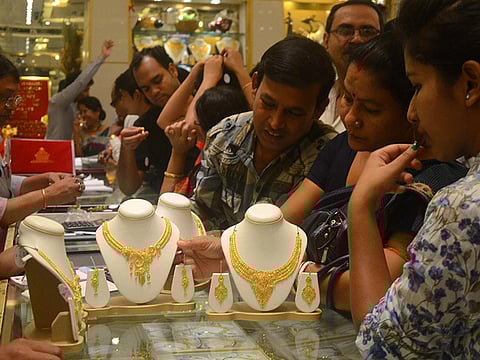
Dubai: For many UAE expats, sending money home is a familiar monthly routine. But every now and then, a question resurfaces: Should I be sending gold instead?
With remittances rising, currencies moving unpredictably, and gold prices regularly hitting new highs, it’s understandable why the idea keeps coming up. Gold carries emotional weight, cultural meaning and a long history of protecting purchasing power. But it also comes with practical complications that a quick digital transfer simply avoids.
This guide lays out the reality — not myths — behind both choices, using recent data and trends relevant to UAE residents.
Gold vs. Cash: Your real choice?
Gold behaves very differently from cash. Its value is recognised globally and typically priced in US dollars, which means it often holds up better than many home currencies during inflation spikes. That’s one reason why some UAE expats consider accumulating gold rather than keeping savings in volatile local currencies abroad.
But the costs around gold are not always obvious. Jewellery involves making charges. Some gold purchases attract 5% UAE VAT. Many home countries impose import duties, sometimes steep ones. You may also need to declare what you’re carrying. And unlike cash, gold must be transported, authenticated and sold before it can be used.
Cash transfers sit at the opposite end of the spectrum: simple, fast and immediately usable. Digital remittance apps — increasingly popular among UAE expats — offer low fees and near-instant settlement.
In 2024 alone, outward remittances from the UAE hit Dh183 billion, reflecting just how central these transfers are to household budgets back home. India, the top destination for many UAE expats, now receives over 19% of its remittances directly from the UAE.
In short, gold protects value; cash delivers convenience.
Why gold still matters for many
Despite the hurdles, gold remains meaningful for many South Asian and Arab families. It’s not just an asset — it’s woven into tradition and identity.
As one commodity analyst in Dubai puts it: “For many South Asian expats, especially Indians and Pakistanis, gold isn’t just an asset — it’s a legacy.”
Weddings, festivals, dowries and generational gifts still revolve around gold. In these moments, sending jewellery or bullion home feels more appropriate than wiring money.
And the UAE is one of the best places in the world to buy it. Dubai’s precious metals trade reached Dh625 billion in 2024 — a 27% jump — reinforcing its position as a global gold hub.
Price perks — and realistic risks
Dubai’s competitive pricing is a key draw:
High purity standards
Strong resale market
But UAE residents still need to consider the catches:
VAT applies to most non-investment gold
Jewellery has making charges
Regular residents cannot claim tourist VAT refunds
Import rules back home can be strict
India, for example, allows only small amounts of jewellery to enter duty-free. Anything beyond that faces high import taxes or seizure. And the UAE requires travellers to declare gold, cash or valuables worth more than Dh60,000 when leaving.
Gold smarter when prices rise?
Global gold prices have surged in recent years, and that has encouraged some expats to save in gold rather than cash.
A UAE investment manager, Zubair Shakeel, explained this clearly: “People tend to turn towards gold when rates stop rising, which increases demand and prices.”
If you send gold during an uptrend, the value received back home may be higher — a real advantage over weaker local currencies.
Yet digital remittance platforms are becoming cheaper and faster at the same time, making cash more attractive for routine support despite rising gold prices.
Bottom line for UAE expats
If you send money home regularly for expenses, school fees or bills, digital transfers make the most sense. They’re quick, low-cost and practical.
If you’re preserving long-term wealth, sending a large one-time amount, or fulfilling a cultural obligation — gold is still a powerful option, especially bullion or investment-grade pieces purchased under VAT-exempt rules and transported within customs limits.
A simple way to think about it: Send money for today. Send gold for the future.