How the world’s armies get fed
Diplomats, officials, aid workers and security contractors in Kabul get a taste of the ration packs
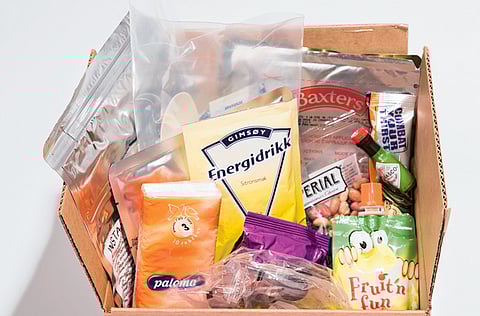
The Taliban might be just a few hundred metres away, but in the mess halls of the US bases in southern Afghanistan, there are more pressing dangers lurking: undercooked eggs. Signs placed above the breakfast fry-up station warn against asking for an egg sunny side up: it’s available over-easy only. The reason, as explained by patient cooks to bemused visitors, is that diseases might lurk in a runny yolk. Feeding soldiers in a warzone is one of the biggest challenges for any army. Generals want to keep their soldiers healthy, and food done well, both in the “d-facs” (dining faciliites) and MREs (“meals ready to eat”, in US army speak — or “ration packs”) can be a morale booster, a reminder of home in a hostile, alien place.
So for soldiers on the ground, one of the most important recent breakthroughs in military technology may be the “three-year pizza”, described by its scientist creators as the “holy grail” of ration-pack food.
Pizza is the most asked-for dish when troops are quizzed on what they would like to see in their supplies, but it has taken years of research to come up with a slice that tastes like the real thing, yet can sit on the shelf without the tomato sauce turning the crust soggy or mould growing on the cheese.
The US and other militaries have poured billions into these technologically impressive ration packs. Few commanding officers forget Napoleon Bonaparte’s apocryphal remark “an army marches on its stomach”, so ration packs have already come a long way from the cans of corned beef that one officer confided were so hated by British soldiers, that on training exercises, they threw them over a cliff, preferring hunger. Scientists and chefs have worked for years to produce tasty food that lasts for months in a sealed pouch or tin.
We decided to test how palatable the newer ration packs are, and begged a meal from the many countries with soldiers in Kabul for a charity dinner in aid of schools in Afghanistan. The meals were rated by a collection of diplomats, officials, aid workers and security contractors from around the world, each paying for the privilege.
The Estonian ambassador returned to Kabul with an overweight suitcase full of smoked sprats, stuffed peppers and halva. Only the Americans declined to contribute. They were legally forbidden from giving away their ration packs, embassy and military officials said apologetically, and no one was willing to risk bending the rules. Fortunately, supplies trucked in through Pakistan often vanish in transit, and US packs are for sale at $2 each in the “Bush bazaar”.
On the night, diners chose between food from 11 countries, from Denmark to Spain to Singapore. Most popular was the Italian pack: diners were undoubtedly lured in by the country’s culinary reputation, and the surprise addition of a splash of grappa — the only alcohol on offer. Second were the French, who once included a carton of red wine, but now serve only dry rations. One surprise was the German pack — the meal people were most reluctant to try, but a runaway success thanks to the liver sausage spread and rye bread.
Still, most of the diners weren’t moved to renounce conventional cooking. When asked to rate the meal, one wrote, “1 on a scale of 1 to 1,000”. The best bit about the meal, he added, was “that I did not have to eat it”. Another added, “now I know how it will feel on Mars”. But not everyone went home hungry and disappointed.
“Tasteful but impractical in wartime,” said one woman after polishing off, of course, a French meal.
–Guardian News & Media Ltd
The Kabul dinner was a charity event to raise funds for two different types of school. School of Leadership, Afghanistan, aims to train a new generation of leaders for a country that lost most of its educated elite to decades of war. The Afghan Schools Trust has built basic schoolhouses in the poorest and often conservative rural areas; some of their graduates, children of illiterate parents, are now studying in India and Italy.


