US Treasury urges global whistleblowers to expose Iran’s ‘financial lifelines’
US offers global rewards for insiders exposing Iran sanctions evasion networks
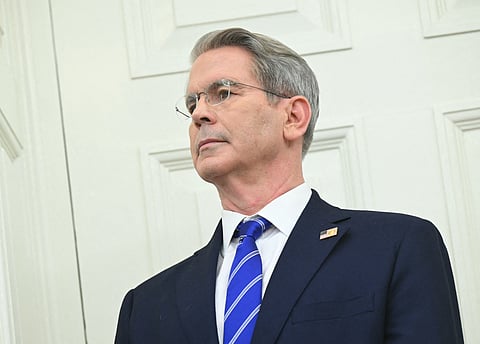
The US Treasury Department is escalating its financial campaign against Iran: now, Treasury Secretary Scott Bessent is asking people around the world to report businesses, banks and individuals allegedly helping Tehran evade sanctions or move money through the international financial system.
Bessent said the appeal is part of "Operation Economic Outcast", a campaign launched in August to cut what Washington calls the remaining financial lifelines sustaining the Iranian regime and its networks.
Bessent said people with actionable information could be eligible for a financial reward regardless of where they live or who employs them.
The appeal turns ordinary employees, financial professionals and others with "inside knowledge" into a potential source of intelligence for the US sanctions apparatus.
In effect, Bessent is asking the networks' own insiders to help expose them.
What Bessent is asking for
In his appeal, Bessent urged people who know how money or resources are being channelled to Iran or its alleged terrorist networks to come forward.
The focus is not simply on Iran-based entities. Operation Economic Outcast is increasingly aimed at third-country companies and financial intermediaries that Washington says help Tehran circumvent restrictions.
That means a bank, trading company, aviation business, shipping intermediary or other firm outside Iran can potentially become a target if US authorities determine it is facilitating sanctioned activity.
Why this matters
The strategy reflects a shift from simply sanctioning Iranian organisations to trying to make the entire international network around them too risky to operate.
The Treasury has warned foreign institutions that continuing to facilitate Iran-related transactions could expose them to US penalties, including restrictions on access to the US financial system.
That creates a powerful incentive for banks and companies to investigate their own customers and counterparties — and potentially report suspicious activity before US authorities identify it themselves.
Operation Economic Outcast: latest moves
Major bank targeted: On Sept. 14, Treasury sanctioned Russia's VTB Bank, accusing it of helping Iran develop mechanisms to bypass Western sanctions and establish alternative financial links with Moscow.
Aviation crackdown: On Sept. 8, Treasury imposed 36 Iran-related sanctions covering Iranian airlines, aviation companies and intermediaries in several countries, including the UAE and Turkey.
Proxy networks: Treasury has also targeted networks allegedly enabling Hezbollah and Kata’ib Hezbollah, widening the campaign beyond Iran's own institutions.
More banks in the crosshairs: Bessent said the administration planned further action against a large unnamed bank as part of the campaign.
The bigger picture
Washington's financial pressure comes as the US-Iran conflict increasingly overlaps with an economic and maritime confrontation.
Iran's oil exports, shipping routes and access to foreign currency have been major targets of US pressure. At the same time, disruption around the Strait of Hormuz has reduced commercial shipping and added to global oil-price risks.
The result is a feedback loop: sanctions make it harder for Iran to earn and move foreign currency, while Tehran and its allies seek alternative financial, shipping and trading channels.
Operation Economic Outcast is designed to close those alternatives.
Why the whistleblower appeal is significant
The US government cannot easily see every transaction involving Iranian money, especially when funds move through layers of companies, intermediaries, informal payment systems and third-country jurisdictions.
Whistleblowers can provide something sanctions databases cannot: inside information about how the networks actually work.
For companies in the Gulf and elsewhere, the message is also a warning: dealings with Iran that appear distant from the Iranian government or military could still attract scrutiny if Washington believes they ultimately support sanctioned entities.


