Trump signals fresh US-Iran thaw, says ‘fair deal’ within reach as nuclear talks continue
US, Iran eye nuclear compromise amid disputes over inspections, sanctions relief
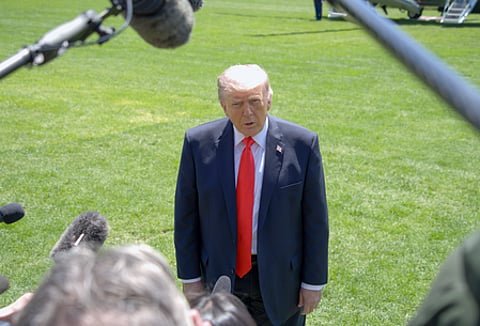
US President Donald Trump his administration was working toward a "fair deal" with Iran, expressing optimism that negotiations were progressing and describing relations between the two countries as positive despite lingering disagreements over key issues, including nuclear inspections and sanctions relief.
"We're trying to work out a fair deal with Iran," Trump told reporters, adding that the United States and Iran were "getting along well" as negotiators seek to finalise an agreement aimed at ending months of conflict and preventing Tehran from developing nuclear weapons.
Get updated faster and for FREE: Download the Gulf News app now - simply click here
Trump's remarks come after Washington and Tehran reached a framework agreement intended to end hostilities and pave the way for broader negotiations on Iran's nuclear program.
However, both sides have continued to offer conflicting accounts of what has been agreed.
While the Trump administration maintains that Iran has accepted long-term international inspections of its nuclear facilities, Iranian officials have publicly disputed that claim, insisting no final agreement has been reached on the issue.
60-day negotiations
The US and Iran are engaged in a high-stakes 60-day negotiation period following a preliminary agreement, but remain at odds over critical details like international nuclear monitoring.
While the Trump administration maintains Tehran has agreed to future UN nuclear site inspections, Iranian officials have publicly denied making such commitments.
Where the negotiations and issues currently stand:
Nuclear inspections
Trump and US Vice President JD Vance, who landed in the UAE as part of his Gulf visit, assert that Iran has agreed to allow International Atomic Energy Agency (IAEA) inspectors back into the country and conceded they will not possess nuclear weapons.
In contrast, Iranian state media and the foreign ministry strongly deny making any new nuclear commitments.
Sanctions relief
Washington has agreed to a 60-day sanctions waiver on Iranian crude oil and petrochemical exports while permitting access to portions of its frozen funds exclusively to purchase US humanitarian goods.
Iranian chief negotiator and Parliament Speaker Mohammad Bagher Ghalibaf has confirmed an agreement to release $12 billion in frozen Iranian funds. The broader plan, as outlined by the US, is to require that unblocked funds be used by Iran to "exclusively" purchase agricultural products from American farmers, such as corn and soybeans.
Ghalibaf announced that arrangements were finalised with US officials in Switzerland to unblock $12 billion in restricted Iranian assets.
While Ghalibaf has been leading technical talks regarding the release of these assets, Iran’s central bank governor clarified that Tehran expects the unfrozen funds to be usable for a wider range of non-sanctioned goods.
Strait of Hormuz
The US and Iran have established an emergency communication line to prevent miscommunication and ensure safe passage for commercial ships.
Regional de-escalation
The two sides also set up a "de-confliction cell" to help stabilise the conflict and stop proxy fighting in Lebanon.


