Iran protests: 5 things to know as unrest reaches Tehran
So far 12 deaths reported as demonstrations hit at least 40 cities
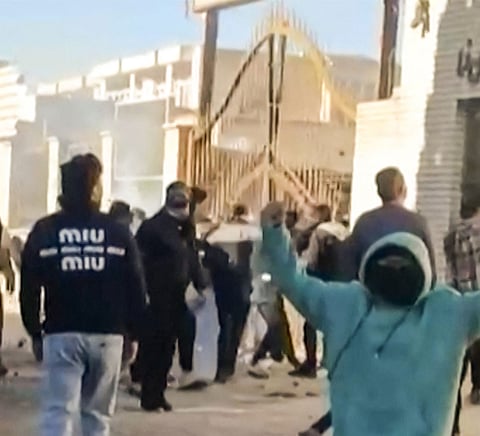
Dubai: Protests driven by Iran’s deepening economic crisis have spread rapidly across the country, reaching the capital Tehran and dozens of other cities in what observers describe as the most significant unrest in Iran in three years.
What began as strikes over prices has evolved into demonstrations carrying political demands, reviving memories of past nationwide uprisings and raising questions about how far the unrest could go.
Here are five key things to know about the protests now shaking Iran.
How widespread are the protests?
Demonstrations have affected at least 40 cities, according to an AFP tally based on official statements and media reports. Rights groups estimate a wider spread, with the US-based Human Rights Activists News Agency saying protests have occurred at over 170 locations in 60 cities across 25 of Iran’s 31 provinces.
The unrest has been most intense in medium-sized cities in western Iran, though protests reached Tehran on Saturday evening. Local media described the capital’s demonstrations as limited, involving groups of dozens to a few hundred people across several eastern, western and southern districts.
Coverage inside Iran remains patchy. State media has downplayed the unrest, while videos circulating on social media are often difficult to verify. Journalists also face tight restrictions on movement and reporting.
What sparked the protests?
The protests began last week with shopkeepers striking in Tehran’s bazaar, a powerful economic symbol, over worsening living conditions. Iran’s economy has been battered by years of sanctions, mismanagement and inflation, with the national currency, the rial, plunging to around 1.4 million to the dollar.
Prices of staple goods such as meat, rice and fuel have surged, while inflation is estimated at around 40%. In December, authorities introduced a new pricing tier for subsidised gasoline, raising fuel costs for many households and intensifying public anger.
While early demonstrations focused on economic grievances, crowds soon began chanting anti-government slogans, reflecting deeper frustrations that have accumulated over years of hardship.
How deadly has the unrest been?
At least 12 people have been killed, including members of the security forces, according to official figures cited by AFP. Rights groups report higher tolls.
The Norway-based Hengaw organisation and Iran Human Rights NGO said at least four people were killed in western Iran’s Ilam province, where security forces allegedly opened fire on protesters in the Malekshahi district, home to a sizeable Kurdish population. Dozens more were reportedly wounded.
Also Read: Angry funerals spark new protests in Iran
Iranian media, meanwhile, said a member of the Revolutionary Guards was killed during clashes after protesters attempted to storm a police station. The conflicting accounts highlight the difficulty of confirming casualties.
Why does this unrest feel familiar?
Activists say the protests are the biggest since the 2022–2023 movement, sparked by the death of Mahsa Amini in police custody and crushed in a violent crackdown.
This time, however, Iran’s leadership faces unrest amid weakened regional influence. Tehran’s “Axis of Resistance” — including Hamas, Hezbollah and Syria’s former leadership — has been severely damaged by war and political upheaval. At home, public trust has eroded under economic strain and repeated crackdowns.
Supreme Leader Ayatollah Ali Khamenei has warned that “rioters must be put in their place,” signalling limited tolerance for sustained dissent.
Why does the world care?
The protests come at a sensitive moment internationally. Iran is still reeling from a 12-day war with Israel in June, during which the United States bombed Iranian nuclear sites. Economic pressure has intensified following the return of UN sanctions linked to Iran’s nuclear programme.
Western governments remain alarmed by Tehran’s nuclear advances, while the UN’s special rapporteur on human rights in Iran has warned that the violent response seen in past protests “must not be repeated.”
US President Donald Trump has also weighed in, warning Iran against violently suppressing peaceful demonstrators — a message carrying added weight amid rising regional tensions.
Why it matters
Economic pressure meets political anger: Soaring prices and currency collapse are colliding with long-standing public resentment
Risk of escalation: Deaths, arrests and wider spread raise the risk of a harsher crackdown
Global implications: Unrest comes as Iran faces nuclear pressure, sanctions and regional instability
For now, the protests appear persistent but fragmented, with authorities relying on security forces, arrests and information controls to contain unrest. Whether they grow into a broader nationwide movement will depend on economic conditions, the state’s response and whether demonstrations in Tehran expand.
What is clear is that Iran’s economic crisis and political tensions have converged — creating a volatile moment with consequences well beyond its borders.