Houthis reportedly considering transit fees for ships using the Red Sea
Plan for Houthi-run fee authority may reshape shipping through key strait
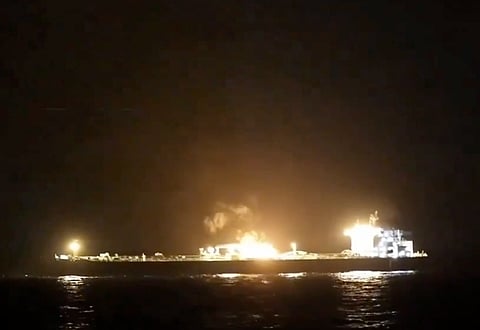
Yemen's Iran-backed Houthi movement is reportedly considering charging commercial vessels transit fees to pass through the Bab al-Mandab Strait, one of the world's most important maritime chokepoints linking the Red Sea with the Gulf of Aden and, ultimately, the Suez Canal.
The proposal is still under discussion and has not yet been formally implemented, according to sources familiar with the matter.
What is being proposed?
According to latest news report, the Houthis are discussing:
Charging commercial ships for passage through the southern Red Sea.
Establishing a regulatory authority to administer the fees, reportedly with assistance from Iranian advisers.
Potentially exempting Chinese-flagged or China-linked vessels following diplomatic contacts between Beijing and the Houthis.
Why it matters
The Bab al-Mandab Strait is one of the world's busiest shipping lanes.
An estimated 10-15% of global seaborne trade and a significant share of oil and liquefied natural gas shipments normally transit this route. Any additional costs, restrictions, or security risks could:
Raise shipping insurance premiums.
Increase freight rates.
Delay deliveries to Europe, Asia, and Africa.
Push more vessels to reroute around the Cape of Good Hope, adding thousands of nautical miles and one to three weeks to voyages.
Instability
The proposal comes after months of continued instability in the Red Sea amid the broader regional conflict.
Previous Houthi attacks on commercial shipping prompted many major shipping companies to avoid the Red Sea altogether.
Yemen's Iran-aligned Houthi movement has declared a maritime blockade targeting Saudi Arabia, opening a new front in a regional conflict that has already disrupted one of the world's most important shipping corridors.
The announcement, made on July 20, threatens to further unsettle commercial shipping through the Red Sea and the Bab al-Mandab Strait, the narrow waterway connecting the Red Sea with the Gulf of Aden.
The strait is a critical gateway for vessels travelling between Europe and Asia, including ships carrying energy from the Middle East.
The Houthis said the blockade would take effect immediately and apply to Saudi-linked maritime traffic.
The group described it as retaliation for what it called a Saudi blockade of Yemen and recent Saudi-linked military action.
Houthi military spokesman Yahya Saree framed the move as an "eye-for-an-eye" response.
The declaration does not necessarily mean that the Bab al-Mandab has been physically closed.
But shipping companies have little incentive to wait for a blockade to become absolute before changing course.
Within days of the announcement, ships bound for Saudi ports were already turning around or avoiding the southern Red Sea.
Ship-tracking data cited by The Washington Post showed multiple vessels reversing course, an early indication of how quickly a threat can affect maritime traffic even without a formal closure of the waterway.


