Fragile ceasefire, deepening stalemate: Why US-Iran tensions remain unresolved
Nuclear red lines, Hormuz tensions and military options keep conflict risks alive
A fragile ceasefire between the United States and Iran is holding, but diplomacy remains stalled, with both sides signalling openness to talks while refusing to yield on core demands.
Nearly 40 days of conflict that erupted in late February have given way to a tense pause rather than a resolution. A single round of talks has taken place, but negotiations have since faltered as Washington maintains pressure and Tehran hardens its stance.
Iran’s judiciary chief Gholamhossein Mohseni Ejei said on Friday that Tehran remained open to negotiations but would not accept policy “imposition” under threat. “The Islamic Republic has never shied away from negotiations... but we certainly do not accept imposition,” he said, adding that Iran would not abandon its principles to avoid war .
Talks stalled, positions harden
Despite the ceasefire, both sides appear locked into entrenched positions.
Iran’s leadership has framed the outcome of the conflict as a strategic success. In a written message, Supreme Leader Ayatollah Mojtaba Khamenei said the United States suffered a “disgraceful defeat” and insisted Iran would safeguard its nuclear and missile capabilities as part of its “national capital” .
The United States, meanwhile, continues to rely on economic and military pressure as leverage. President Donald Trump has insisted that Iran address US concerns over its nuclear programme before any easing of restrictions, rejecting Tehran’s proposal to first reopen the Strait of Hormuz and lift the blockade, according to Axios.
The result is a familiar diplomatic impasse: both sides say they are willing to negotiate, but neither is prepared to compromise on the central issue — Iran’s nuclear capability.
What we know
A fragile ceasefire is in place after nearly 40 days of conflict
Only one round of US-Iran talks has been held; negotiations are stalled
Iran says it is open to talks but rejects “imposition” under threat
The US insists Iran address nuclear concerns before easing pressure
The Strait of Hormuz remains partially restricted, disrupting global energy flows
International efforts are under way to reopen the waterway
The US is weighing military options, including targeted strikes
Neither side appears ready to compromise on core demands
Hormuz tensions raise global stakes
While talks stall, the economic and strategic stakes are rising, particularly around the Strait of Hormuz.
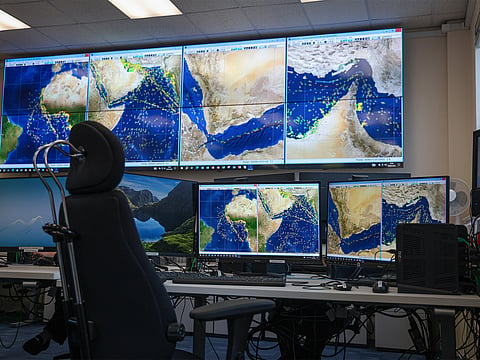
Iran has restricted traffic through the vital waterway, allowing only limited shipping to pass, in response to a US naval blockade on its ports. The strait typically carries around one-fifth of the world’s oil and liquefied natural gas, making it a critical artery for global energy markets.
In response, Washington is assembling a new international coalition to reopen the route, while a parallel UK-France initiative is already at an advanced planning stage. France’s Foreign Minister Jean-Noel Barrot said the US-led effort would complement, rather than compete with, the European mission, speaking in Abu Dhabi on Friday.
The disruption has already pushed oil prices to multi-year highs and raised concerns over global supply chains and shipping costs.
Military options remain in play
Even as diplomatic channels remain open, the possibility of renewed escalation persists.
US Central Command has presented President Trump with options for a “short and powerful” wave of strikes targeting Iranian infrastructure, according to Axios. Other proposals include taking control of the Strait of Hormuz to restore commercial shipping and securing Iran’s stockpile of highly enriched uranium.
Trump has indicated that the naval blockade remains his primary tool of pressure but suggested military action could follow if Iran refuses to engage on US terms, Axios reported .
Israeli Defence Minister Israel Katz has also warned that it may be necessary to act again against Iran to achieve the war’s objectives, AFP reported.
A ceasefire in name, not resolution
The current pause reflects less a diplomatic breakthrough than a recalibration.
For Washington, the blockade and threat of force are designed to extract concessions. For Tehran, maintaining resistance while avoiding escalation appears to be the priority.
The ceasefire, therefore, functions more as a tactical pause than a pathway to peace. Both sides are effectively buying time — sustaining pressure, reinforcing positions and preparing for the possibility of renewed confrontation.
What next?
The trajectory of the conflict will depend on whether either side is willing to shift its position — something that currently appears unlikely.
Iran has signalled it will not compromise on its nuclear programme under pressure, while the United States has made clear that sanctions relief and de-escalation depend on precisely that outcome.
With both sides holding firm, the most likely near-term scenario is continued stalemate: limited diplomacy, sustained economic pressure, and the persistent risk of sudden escalation.
With inputs from CNN, AFP and Axios