Saudi Arabia boosts non-profit impact through skills-based volunteering
The Kingdom is strengthening the capacity of non-profit organisations
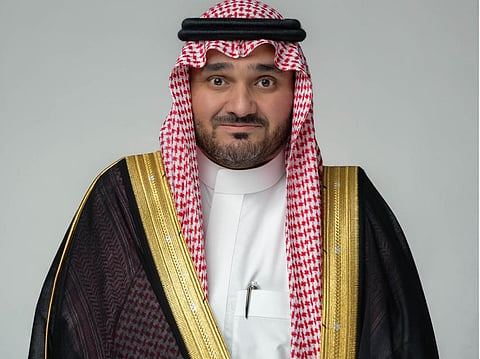
Dubai: As impact investment gains momentum worldwide, experts say funding alone is no longer enough to drive lasting social change. Increasingly, the focus is shifting to strengthening the organisational capacity of non-profit institutions so they can effectively manage resources, improve governance and deliver measurable outcomes.
Saudi Arabia is positioning itself at the forefront of this shift by embedding structured, skills-based volunteering into the development of its non-profit sector. Rather than treating volunteering solely as a civic activity, the Kingdom is using it as a strategic tool to build institutional capability, enhance governance and improve operational efficiency.
The approach addresses a challenge identified across many emerging markets, where non-profit organisations often struggle to convert growing funding opportunities into sustainable impact because of governance gaps, limited expertise and weak operational systems.
Critical factor
Majid Abunahyyah of the National Center for Non-Profit Sector (NCNP), Saudi Arabia, said: “The Saudi experience demonstrates that building organisational capability is just as important as mobilising financial resources. As impact investment continues to grow, institutional readiness becomes a critical factor in transforming capital into measurable and sustainable social outcomes. Structured, skills-based volunteering offers a practical mechanism for strengthening governance, operational effectiveness, and human capital, ultimately enhancing the long-term impact of social investment.”
According to the Global Impact Investing Network (GIIN) and the Organisation for Economic Co-operation and Development (OECD), organisational capability remains one of the biggest barriers to deploying impact investment effectively and scaling social outcomes.
Volunteering
Structured volunteering is increasingly seen as a practical solution. By engaging professionals with specialised skills, organisations can strengthen programme design, improve management systems, develop strategic partnerships and build stronger governance frameworks.
The benefits extend beyond non-profit organisations. The United Nations Volunteers (UNV) programme says structured volunteering also equips students and young professionals with practical experience and job-ready skills, creating a stronger talent pipeline while supporting community development.
Saudi Arabia has incorporated this model into its long-term development strategy under Saudi Vision 2030. The Kingdom’s non-profit sector has grown to more than 7,800 registered organisations supported by 1.7 million active volunteers, according to the National Center for Non-Profit Sector (NCNP).
The sector now contributes approximately 1.55 per cent of Saudi Arabia’s GDP, underlining its growing economic and social importance.
Integral part
Through the National Center for Non-Profit Sector (NCNP) and the National Volunteer Platform, volunteering has become an integral part of institutional development, helping organisations improve service delivery, strengthen operations and expand their social impact.
As Saudi Arabia’s impact investment ecosystem continues to mature, experts say organisational readiness will play an increasingly important role in determining whether financial resources translate into sustainable, long-term development outcomes.


