UK farmers grapple with worst spring drought in nearly 70 years
Without rainfall in May, further crop losses and risks to livestock are imminent
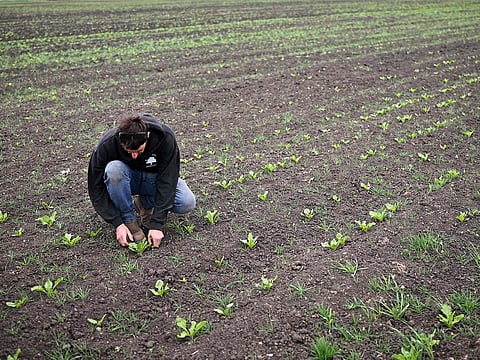
The United Kingdom is experiencing its driest spring since 1956, with farmers across the country facing significant challenges due to prolonged dry conditions.
The Environment Agency has reported that April marked the third consecutive month of below-average rainfall, raising concerns about potential droughts in the coming months.
A persistent high-pressure system has dominated the UK's weather, leading to exceptionally dry and sunny conditions. April 2025 was recorded as the sunniest since records began in 1910, following the third-sunniest March. These conditions have resulted in record-low river flows and depleted reservoir levels, particularly in northern regions.
Farmers are already witnessing the adverse effects of the drought. Crop failures have been reported, and early irrigation has become necessary in many areas. Reservoirs in the northeast and northwest are notably low, with national storage at 84%, compared to 90% in April 2022.
The National Farmers' Union has warned that without substantial rainfall in May, further crop losses and risks to livestock are imminent. The Environment Agency has advised water rationing, and hosepipe bans are likely if conditions persist.
Experts attribute the worsening situation to climate change and inadequate infrastructure. Critics highlight long-term regulatory inaction and underinvestment in water infrastructure, noting that the last major reservoir was built over 30 years ago.


