Global response to devastating floods inadequate, report claims
Monsoon could exacerbate problems created by last year's crisis
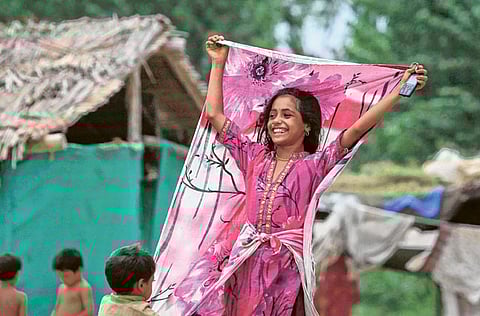
Islamabad: The international community is failing to provide enough resources for Pakistan to recover from the devastating floods that struck a year ago, an aid agency said Sunday.
Islamic Relief goes on to warn that Pakistan is not sufficiently prepared for the coming crises.
"Millions of people could be hit by floods because infrastructure, such as dykes and embankments, is weak, and the lack of funds means that some communities have not been able to adequately reconstruct their homes or restore their livelihoods as farmers," the group said in a report, Flooded and Forgotten.
The worst floods in Pakistan's history forced 11 million people from their homes and inundated a fifth of the country — the size of England. Nearly 2,000 people were killed and 1.7m homes destroyed.
Twelve months on, Islamic Relief says at least eight million people still need basic health care, food, shelter or schooling, while the UN warns that up to 6 million could be affected by more floods during the coming monsoon season.
Malnutrition
Fadlullah Wilmot, Pakistan director of Islamic Relief, said flooding had already begun, with 100 villages in Ghorki in Sindh province already inundated, affecting 10,000 people. Areas of Punjab were under three to four feet of water, she said.
"Malnutrition, which is already severe, is worse," said Wilmot. "Scenes you see in Africa, you can see them in Sindh."
Wilmot said the Pakistan government is estimating that between two million and six million people will be affected this year.
"Many already vulnerable people who have not recovered from last year will be made more vulnerable," said Wilmot. "It's a dismal picture."
Islamic Relief said a UN appeal for $1.9billion (Dh6.97 billion) is $603million short, with the gap highest for housing and agriculture and food security. It praised Norway, Luxembourg, Denmark, Sweden, the US, Japan and the UK for giving generously, but singled out France and Italy as laggards.
"The global response has been inadequate," said Wilmot. "The world community needs to come together and look at this situation. There is a famine in the Horn of Africa, but don't let Pakistan fall off the radar, it's too important for the world strategically. I have been to many villages, the people are very resilient, they are not looking for handouts but handups, a little bit of assistance to get them on their feet."
‘Most vulnerable'
In the long term, says Islamic Relief, there is a need for an international mechanism for providing adequate, predictable finance for developing countries affected by disasters related to climate change — a problem for countries which, like Pakistan, are vulnerable to the phenomenon.
Another problem, it says, is that Pakistan is not recognised as a "most vulnerable" country under the 2009 Copenhagen accord, which commits rich countries to provide additional funding to tackle climate change.

