Oil above $100: Fuel anger erupts from Asia to Europe and Latin America
Governments must choose between passing fuel costs to consumers or taking on more debt
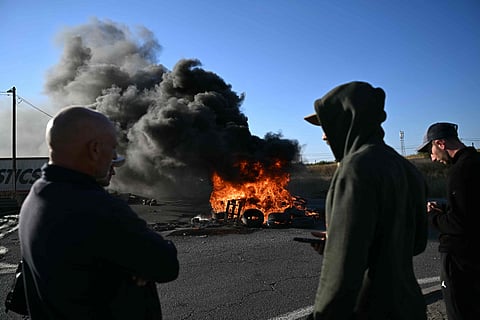
Dubai: Oil above $100 a barrel is spilling from global energy markets onto the streets, triggering protests, transport strikes, shortages and growing pressure on governments from Asia to Europe and Latin America.
As the Iran war squeezes energy supplies and threatens key shipping routes, households and businesses are being hit by higher transport and electricity costs. The impact is particularly severe in developing economies heavily dependent on imported energy.
Governments face an increasingly difficult choice: Pass higher costs on to consumers and risk worsening inflation and public anger, or increase subsidies and support measures that could add to already strained public finances.
Syria: Fuel hike ignites protests
Syria has seen some of the largest demonstrations, after the government temporarily raised diesel prices by about 40% to 175 Syrian pounds ($1.43) a litre and increased gasoline prices by more than 25%.
Protesters burned tyres and blocked roads, including the Hasaka-Deir Al Zor highway. The government blamed surging global fuel prices and maintenance at the Baniyas refinery, which has increased reliance on imports.
“All those present here want a reduction in diesel prices. We don’t want higher wages, we want cheaper fuel,” protester Yasser Salim told Reuters.
Indonesia: Shortages and rationing
In Indonesia, fuel shortages, blackouts and rationing have fuelled public anger.
In Makassar, South Sulawesi, residents have reported shortages of cooking gas and gasoline, while taxi drivers protested against fuel rationing based on odd and even vehicle registration numbers.
Students also demonstrated in Yogyakarta against rising fuel prices.
Philippines: Drivers feel the squeeze
In the Philippines, transport workers went on strike demanding subsidies and the scrapping of fuel taxes after another round of price increases.
Bus and ride-share drivers have also protested as fuel consumes an increasing share of earnings, while some fishermen around Manila Bay have stayed ashore because they cannot afford fuel for their boats.
“We know that every increase at the pump affects more than the cost of filling up a vehicle. It affects the daily budget of families, the livelihood of our drivers, and the operating costs of businesses,” Energy Secretary Sharon Garin said.
In neighbouring Vietnam, ride-hailing drivers have also called for a boycott as rising fuel costs squeeze their earnings.
Bangladesh: Factories hit
Bangladesh, which imports more than 90% of the petroleum it consumes, is suffering power shortages that have forced rationing and temporary closures at garment factories.
Some factories switched to diesel as gas supplies tightened, only to be hit by rising diesel prices. Power cuts at one factory in Gazipur were occurring four or five times a day.
Sri Lanka: Another fuel dilemma
In Sri Lanka, fuel distributors have begun restricting supplies as they anticipate further price increases.
Officials are considering whether to raise state-set fuel prices and introduce subsidies, a difficult choice for a country already carrying one of the developing world’s highest debt-to-GDP ratios.
In Pakistan, the government has moved to cushion consumers from soaring fuel costs, announcing a Rs100-per-litre subsidy for motorcycles, rickshaws and small cars. The targeted relief follows protests over high fuel prices and the petroleum levy, illustrating the pressure governments face to absorb part of the global energy shock rather than pass the full cost on to consumers.
In Nepal, the impact has also spilled onto the streets. Students protested in Kathmandu this month over shortages of cooking gas, with demonstrators demanding action as the energy crunch puts additional pressure on households already struggling with higher costs.
Guatemala: Roads blocked
In Guatemala, truckers and other protesters have blocked highways, while Indigenous activists and transport workers have marched through the capital demanding government action.
Congress is considering legislation to cap fuel prices until the end of the year, with government subsidies compensating importers if prices exceed the ceiling.
Portugal and France feel the pressure
The anger has reached Europe too.
In Portugal, drivers have staged slow-moving protests, while demonstrators in Espinho marched to Prime Minister Luís Montenegro’s home. The government has announced support for freight transporters, taxi drivers, firefighters and the social sector.
In southern France, about 50 fishermen blockaded a major fuel depot at Fos-sur-Mer on Tuesday and briefly clashed with police.
Mayor Philippe Maurizot said the fishing industry faced a “profound crisis that demands an urgent and strong response from the state.”
Governments caught in the middle
The protests expose the wider danger from prolonged high oil prices. Diesel powers trucks, buses, fishing vessels, farms and factories, meaning higher energy costs quickly feed through to food, transport and other essentials.
Governments can cushion consumers through subsidies, tax cuts and price caps. But the longer oil stays elevated, the more expensive those measures become — particularly for heavily indebted countries.
Passing the increases directly to consumers protects state finances but risks higher inflation and more public anger.
From burning tyres in Syria and fuel queues in Asia to road blockades in Guatemala and protesting fishermen in France, the oil shock is increasingly becoming a cost-of-living crisis on the streets.


