Modi’s fuel-saving appeal gets strong industry backing in India
PM urges work-from-home, fewer overseas trips and carpooling amid oil disruption
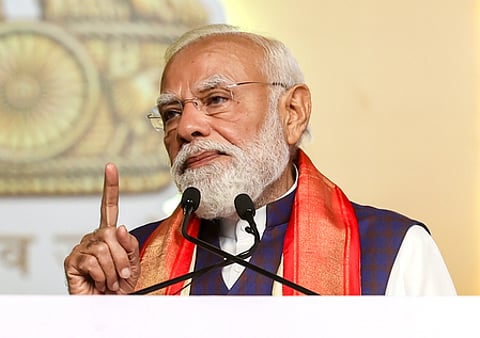
Top Indian business leaders on Monday rallied behind Prime Minister Narendra Modi’s appeal for austerity measures and economic discipline as India grapples with the fallout of the ongoing conflict in West Asia and disruptions to global energy supplies.
Industrialists and economists said Modi’s proposals — including reduced fuel consumption, a return to work-from-home practices, fewer overseas vacations and cuts in non-essential spending — were aimed at strengthening India’s resilience at a time of rising oil prices and mounting pressure on foreign exchange reserves.
The strong backing from India Inc came a day after Modi, addressing a BJP public meeting in Secunderabad, called on citizens to conserve fuel, avoid unnecessary imports and revive some of the consumption-saving habits seen during the Covid-19 pandemic.
“We have to reduce our use of petrol and diesel,” Modi said, urging people in cities with metro rail systems to use public transport more often and consider carpooling whenever possible.
He also asked companies and institutions to revive digital work practices adopted during the pandemic, including remote working, virtual meetings and online conferences.
“During the pandemic, we successfully adapted to work-from-home systems and virtual meetings. We should once again prioritise these practices in the national interest,” Modi said.
Industry leaders endorse PM’s appeal
TVS Motor Company Chairman Venu Srinivasan said the Prime Minister’s message reflected the need for prudence and self-reliance during a period of global uncertainty triggered by the conflict in West Asia.
Bharti Enterprises Chairman Sunil Bharti Mittal also backed the proposals, saying the current situation required India to “double down” on economic discipline and domestic strength.
The chief economic adviser at State Bank of India said Modi’s appeal was not about rationing or restrictions, but about safeguarding India’s foreign exchange reserves as import costs rise.
“In the present circumstances, saving foreign exchange has become equally important for the nation,” Modi said in his speech.
India imports a significant share of its crude oil requirements, making the country vulnerable to disruptions in global energy markets. Oil prices have surged since the US-Israeli strikes on Iran and Tehran’s subsequent moves to tighten control around the Strait of Hormuz — one of the world’s most critical energy shipping routes.
Fuel-saving measures move centre stage
Unlike several countries that have either raised domestic fuel prices or imposed restrictions following the disruptions, India has so far avoided rationing petrol and diesel supplies.
However, the government has already increased prices of liquefied petroleum gas (LPG), a key cooking fuel used by millions of households.
Also Read: India raises cooking gas, jet fuel prices
Modi said reducing fuel consumption was not only necessary for economic stability, but also important to cut India’s import bill at a time of heightened geopolitical uncertainty.
“We must also place a strong emphasis on saving foreign exchange, as petrol and diesel have become so expensive globally,” he said.
Alongside fuel conservation, the Prime Minister urged citizens to avoid non-essential overseas travel, destination weddings and foreign holidays, while encouraging domestic tourism and celebrations within India.
He also appealed to households to defer non-essential gold purchases for a year to ease pressure on foreign exchange reserves.
In another unusual appeal, Modi advised families to reduce edible oil consumption, saying it would help both the economy and public health.
Echoes of the pandemic era
The call to revive work-from-home and online meetings has triggered comparisons with the Covid-19 period, when offices across India rapidly shifted to remote operations to reduce travel and fuel consumption.
The proposals also come as governments and businesses worldwide reassess energy security and economic vulnerabilities linked to the prolonged instability in West Asia.
Analysts said Modi’s remarks appeared designed to prepare the public for a potentially extended period of elevated oil prices and supply uncertainty without creating panic over shortages.
India remains one of the world’s largest consumers and importers of crude oil, making any sustained disruption in energy markets a major economic concern.
Separately, Praveena Rai, Managing Director and CEO of Multi Commodity Exchange of India Ltd (MCX), said the bullion segment remained a strong performer during FY26, with transactions in bullion, energy and metals continuing to grow sharply amid global uncertainty.
— With inputs from AFP and IANS


