Indian passport issued for travel, not as proof of citizenship, MEA clarifies
Randhir Jaiswal noted that fewer than 8% of Indian citizens currently hold a passport
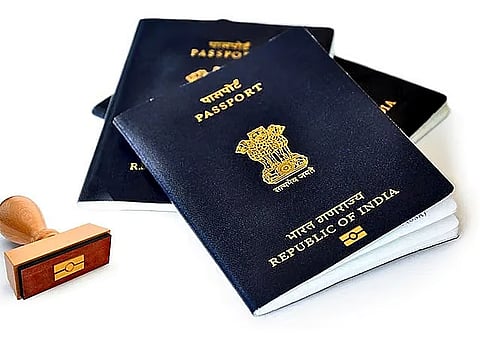
The Ministry of External Affairs has clarified that an Indian passport is issued under the Passports Act to regulate citizens' departure from the country, amid an ongoing debate over whether the document can serve as proof of citizenship.
The clarification by the MEA follows days of discussion after senior ministry officials described the passport as a travel document during a briefing on Passport Seva Divas on June 24. Their remarks prompted criticism from opposition parties, which questioned why a passport could not be treated as evidence of citizenship.
Get updated faster and for FREE: Download the Gulf News app now - simply click here.
Responding to questions at a media briefing on Tuesday, MEA spokesperson Randhir Jaiswal reiterated the government's position, citing the provisions of the Passports Act.
"An Indian passport is a document that, as per the Passports Act, 1967, is issued by the Government of India to regulate the departure from India of citizens of India," Jaiswal said.
He added that passports are issued only after due verification through an established process and that their issuance is governed by the Passports Act, 1967, and the Passports Rules, 1980.
Jaiswal also noted that fewer than 8% of Indian citizens currently hold a passport.
Why the issue sparked debate
The controversy began after MEA officials were asked whether a passport could be used as proof of citizenship during the Election Commission's ongoing Special Intensive Revision of electoral rolls. Officials responded that the document is meant primarily for travel and does not, on its own, establish citizenship.
The remarks drew criticism from the opposition Congress party, which questioned why a passport could not be treated as evidence of the holder's citizenship. Congress leaders further alleged that the government's position could eventually be used to selectively withhold citizenship-related rights from certain Indians.
Government officials have defended their position by referring to legal precedents, including a 2013 Bombay High Court ruling that held a passport is not conclusive proof of citizenship. They have also pointed to provisions of the Passports Act that allow the central government, in certain circumstances and in the public interest, to issue a passport to a person who is not an Indian citizen.


![India government urges citizens to avoid unregistered agents and misleading recruitment pitches. [Illustrative image]](http://media.assettype.com/gulfnews%2F2026-10-01%2F9ga9fyu9%2F202607313886105.jpg?w=320&auto=format%2Ccompress&fit=max)
