Scientists release genetically modified flies to stop flesh-eating parasite
New trials aim to stop flesh-eating screwworm before it spreads across the Americas
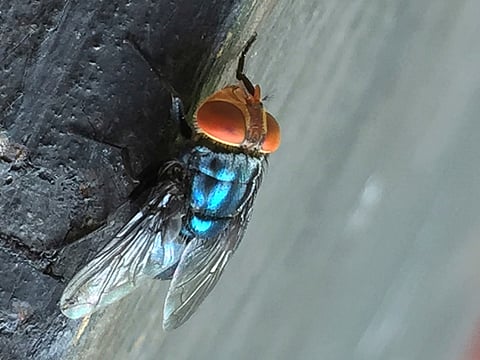
The fight against one of the livestock industry's most destructive parasites may soon rely on an unlikely ally: genetically modified flies.
US scientists are preparing field trials of engineered New World screwworm flies designed to help wipe out populations of a flesh-eating parasite that attacks cattle, wildlife, pets and, in rare cases, humans. If successful, the approach could strengthen decades-long efforts to prevent the pest from spreading north through Central America into the United States.
Get updated faster and for FREE: Download the Gulf News app now - simply click here.
The New World screwworm (Cochliomyia hominivorax) is unlike ordinary flies. Females lay their eggs in open wounds or body openings of warm-blooded animals. Once the larvae hatch, they feed on living tissue rather than dead flesh, creating deep wounds that can become fatal if left untreated.
A decades-old strategy gets a genetic upgrade
For years, authorities have relied on the Sterile Insect Technique (SIT), releasing millions of sterilised male flies that mate with wild females. Because the females mate only once, the unions produce no offspring, causing populations to collapse over time.
Now researchers are testing a more precise version of that strategy.
Scientists have genetically engineered male screwworm flies so that female offspring die before reaching adulthood, while males survive to continue spreading the trait. The system could dramatically reduce the number of insects that need to be bred and released, making eradication programmes faster and less expensive.
Why officials are worried
The parasite was eradicated from the United States in the 1960s and has since been kept at bay by a biological barrier in Panama.
But recent outbreaks in parts of Central America have raised concerns that the insect could continue moving north if control measures fail. Agriculture officials warn that a widespread resurgence would threaten billions of dollars' worth of livestock production while increasing veterinary costs and animal suffering.
The pest is not limited to cattle. Deer, horses, dogs and other mammals can also become infected, while human cases, although uncommon, are regularly reported in endemic regions.
Still years from widespread use
Researchers stress that the genetically modified insects are still undergoing regulatory review and field evaluation.
Any operational release would be carried out gradually alongside existing sterile insect programmes, with scientists monitoring whether the engineered males behave like their wild counterparts and whether the population declines as expected.
If the trials succeed, they could mark one of the largest real-world uses of genetic engineering to control an agricultural pest—potentially offering a new blueprint for tackling disease-carrying insects without relying heavily on pesticides.


