First US deaths in cyclospora outbreak: Symptoms, causes and safety tips
First US cyclospora deaths reported as outbreak sickens tens of thousands
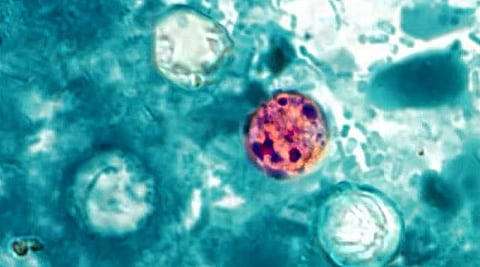
Two people have died in Michigan in connection with a nationwide cyclosporiasis outbreak, marking the first confirmed deaths in the US linked to the microscopic parasite.
The Michigan Department of Health and Human Services said both individuals had underlying health conditions that may have been worsened by the intestinal infection and dehydration. Officials said no further details about the deaths would be released.
Get updated faster and for FREE: Download the Gulf News app now - simply click here.
What is cyclosporiasis and how does it spread?
Cyclosporiasis is caused by Cyclospora, a microscopic parasite that infects the intestines and can cause watery diarrhoea, frequent bowel movements, stomach cramps and fatigue, according to the US Centers for Disease Control and Prevention (CDC).
The illness is more common during late spring and summer. The parasite spreads through faecal contamination and has previously been linked to fresh produce exposed to contaminated irrigation water.
While symptoms can be severe, the CDC says cyclosporiasis is rarely fatal.
Dehydration poses biggest risk
Dr Joel Kammeyer, division chief of infectious diseases at Wayne State University and the Detroit Medical Center, described the deaths as a “tragedy” but said fatalities remain rare despite thousands of infections.
He said the illness is usually treatable for otherwise healthy people, but severe dehydration can become dangerous for those with existing health conditions.
Cyclosporiasis cases surge across US
The CDC said it is investigating more than 18,000 confirmed or suspected cases in the current outbreak, while state reports indicate the number could exceed 20,000 nationwide.
Cases have increased over the past decade, with notable spikes in 2018 and 2019. The highest number previously reported was in 2019, with around 4,700 cases.
Lettuce linked to outbreak investigation
Federal health officials have identified lettuce from Mexico served at Taco Bell locations in nine states as a possible source of the outbreak.
As of late July, 1,947 cases had been linked to the recalled lettuce, including at least 98 hospitalisations, according to the CDC.
Officials said investigations are continuing and other brands, restaurants, retailers or distribution channels may also be linked to the outbreak.
What to do if you suspect cyclosporiasis
Do not eat recalled lettuce. Throw it away or return it to the place of purchase.
Wash utensils, surfaces and items that may have touched recalled lettuce using hot, soapy water or a dishwasher.
Contact a healthcare provider if you develop symptoms.
Ask about Cyclospora testing, as routine stool tests may not always detect the parasite.
Drink plenty of fluids to avoid dehydration.
Symptoms to watch for
Symptoms usually appear about one week after infection but can develop anywhere from two days to two weeks or more.
Common symptoms include:
Watery diarrhoea
Loss of appetite
Weight loss
Stomach cramps
Bloating
Increased gas
Nausea
Fatigue
Without treatment, symptoms can last from a few days to a month or longer.
How to reduce your risk
Wash hands and fresh produce thoroughly under running water before eating, cutting or cooking.
Cooking produce can kill the parasite. Since washing alone may not remove Cyclospora completely, cooking food to at least 70°C can help reduce the risk.
Follow food recall and outbreak updates from health authorities.
How the public can help investigators
People diagnosed with cyclosporiasis may be contacted by health officials and asked about foods they ate in the two weeks before becoming ill.
Providing this information can help investigators identify the source of outbreaks and prevent further infections.
With inputs from AP


