‘Disgrace’: Trump hits out at CBS over correspondents' dinner shooter manifesto
Denies allegations, says 'I didn’t rape anybody' in tense TV clash
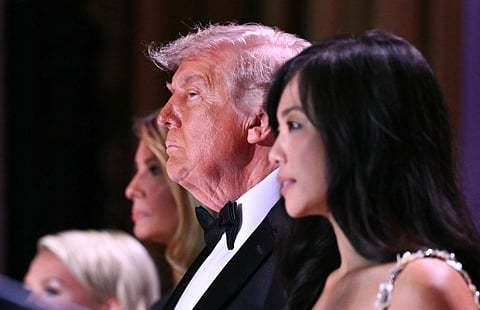
Dubai: US President Donald Trump lashed out at a CBS interviewer during a tense exchange on 60 Minutes after being asked about unverified claims made in a manifesto linked to a gunman at the White House Correspondents’ Association dinner.
According to Axios, journalist Norah O’Donnell raised the contents of the purported document, which she said appeared to reference the president and included allegations about him. The remarks prompted an immediate and forceful response from Trump.
“I’m not a rapist. I didn’t rape anybody,” Trump said during the interview, rejecting the claims outright and criticising the decision to bring them up on air. He described the manifesto as “crap” written by “some sick person” and told O’Donnell she “should be ashamed” for reading from it, calling her “disgraceful.”
O’Donnell clarified that the words were not her own but were part of the suspect’s alleged writings. The exchange quickly escalated, with Trump accusing the media of linking him to claims that he said had “nothing to do” with him and insisting he had been “totally exonerated.”
The confrontation highlights the challenges journalists face when handling material linked to violent suspects. While such documents can provide insight into motive, they often contain unverified or inflammatory claims. Press freedom groups have previously criticised Trump’s repeated verbal attacks on journalists, warning they risk undermining trust in the media.
Separately, Forbes reported that Trump had earlier referenced the manifesto in comments to Fox News, describing the attacker as a “sick person” and alleging the individual harboured strong views against Christians. However, available reports on the document do not clearly support that claim.
The gunman, identified by multiple outlets as a California resident, is said to have outlined “rules of engagement” in the manifesto and appeared to designate government officials as targets.
Authorities have not confirmed the full contents of the document, and several of the allegations circulating publicly remain unverified.
The incident has renewed debate over how media organisations report on violent acts and associated manifestos — balancing the need to inform the public with the risk of amplifying extremist narratives or unsubstantiated claims.


