'All-in-one' respiratory vaccine advances: What we know so far
Intranasa vaccine research marks a promising milestone toward all-in-one respiratory shot
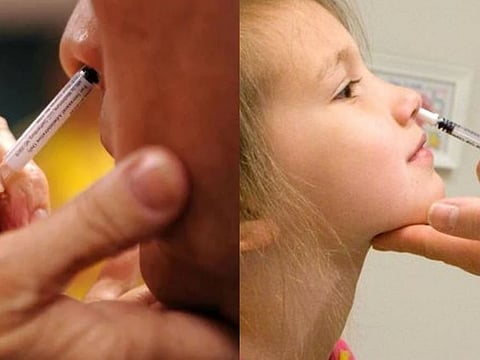
Scientists say the world is now a significant step closer to developing a universal vaccine that could protect against common respiratory ailments — including the common cold, influenza, COVID-19 and even certain allergies — after promising results in early animal studies.
The research marks a promising milestone toward a “universal” respiratory vaccine, but extensive human trials and safety testing lie ahead before its full potential can be realised.


Breakthrough nasal spray
Researchers at Stanford Medicine have engineered a new vaccine candidate delivered as a nasal spray that, in mouse models, provides broad protection against a range of viruses, bacteria and allergy triggers residing in the lungs.
The results were published in the journal Science.
In this study, mice were given intranasal doses of a vaccine known as GLA-3M-052-LS+OVA, which differs from most traditional vaccines by stimulating the lung’s innate immune defenses rather than relying solely on antigen-specific responses.
When these mice were subsequently exposed to multiple respiratory pathogens, vaccinated animals showed significant protection: they maintained clearer lungs, lost less weight, and survived challenges that proved deadly in unvaccinated controls.
‘Broad protection’ seen in animals
Vaccination protected mice for several months against:
SARS-CoV-2 and related coronaviruses,
Bacterial respiratory threats such as Staphylococcus aureus and Acinetobacter baumannii,
Immune responses to house dust mite proteins that trigger allergic asthma.
This multi-threat coverage is notable, say researchers, who work on “killer” T-cells that bolsters immune response.
Traditional vaccines typically focus on a specific pathogen or limited group of variants.
Instead, the Stanford approach harnesses T cells that recruit and sustain innate immune cells in the lungs, resulting in long-lasting innate protection that buys time for the body’s adaptive system to respond swiftly to infections.
What makes this approach different
According to the Science paper, scientists embedded immune-stimulating compounds that activate innate immunity through toll-like receptors, as well as a harmless antigen that recruits T cells into the lungs.
This creates a sustained immune alert state lasting weeks to months, long enough to protect against diverse threats introduced during that period.
Next steps: Human trials
While results in mice are unprecedented, significant work remains before a human vaccine is possible.
Researchers plan “Phase I” safety trials in humans followed by larger efficacy studies.
If successful and if adequate funding is secured, scientists estimate a nasal universal vaccine could become available within five to seven years.
Still, experts caution it is early days.
Success in mice does not guarantee human efficacy or safety, and broad stimulation of the immune system must be carefully balanced to avoid over-activation.
Potential implications
A universal respiratory vaccine could replace multiple seasonal shots for flu, COVID-19 and RSV.
It might reduce the burden of bacterial pneumonia and ameliorate allergic asthma symptoms.
In pandemic scenarios, such a vaccine could offer early broad protection before strain-specific vaccines are available, potentially saving lives and simplifying public health responses.


