UAE: Red eye cases double, viral conjunctivitis driving longer recovery
Ophthalmologists warn infection spreading in schools and offices
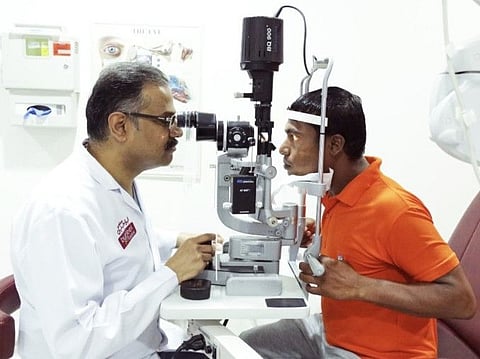
Hospitals across the UAE are reporting a sharp rise in red eye infections, with doctors pointing to contagious viral conjunctivitis spreading in crowded and shared spaces.
Cases more than double
Ophthalmologists pointed out that the majority of current cases are caused by viral conjunctivitis, most commonly adenovirus, often referred to as “eye flu”. The infection spreads easily through hand contact, shared surfaces and respiratory secretions, making schools, offices and communal living areas key hotspots.
“Red eye cases have more than doubled recently,” said Dr Parth Joshi, Specialist Ophthalmology at Aster Day Surgery Centre, Mankhool.
“The contributing factors include a seasonal rise in respiratory infections, the highly contagious nature of the disease, international travel, weather conditions that allow viruses to thrive, and occasional lapses in hygiene practices in shared spaces.”
Viral infections driving surge
Doctors noted that allergic conjunctivitis remains common throughout the year and is often mistaken for infection.
“There is a definite increase in conjunctivitis cases, mainly viral in nature. Most are caused by adenovirus. Allergic conjunctivitis occurs year-round, while bacterial infections are relatively rare,” said Dr Tanuj Limbasiya, Specialist Ophthalmology and Cataract and Cornea Surgeon at Ahalia Hospital, Musaffah.
Schools, offices key hotspots
Dr Ann Divya Jacob, Specialist Ophthalmology at LLH Hospital, said environmental factors are also playing a role.
“The rise in patients presenting with red, itchy, and irritated eyes is largely linked to viral infections spreading in schools and workplaces, combined with environmental factors such as dust, heat, and prolonged exposure to air-conditioning.”
Recovery taking longer this season
According to doctors, viral conjunctivitis typically resolves within one to two weeks with supportive treatment such as lubricating eye drops. Bacterial infections may require antibiotic drops, while allergic cases respond to antihistamines. However, some infections are taking longer to settle this season.
“Most patients recover within one to two weeks. Recovery may take longer if the cornea becomes involved or if there is secondary bacterial infection. Temporary blurring of vision can occur in such cases,” Dr Limbasiya said.
Dr Jacob pointed out that a full recovery is taking longer than usual.
“This season we are seeing some viral cases taking longer to fully settle, especially when patients delay treatment or use steroid drops without supervision.”
While most cases are mild and self-limiting, specialists warned that delayed treatment or improper medication can lead to complications, particularly in adults and elderly patients.
Steroid misuse can worsen infection
Experts cautioned that misuse of over-the-counter or steroid eye drops without medical supervision can worsen the condition and increase the risk of corneal damage.
“Delayed treatment, low immunity, poor hygiene, pre-existing eye disease, or misuse of over-the-counter eye drops can lead to corneal involvement and more serious complications,” Dr Limbasiya noted.
Who is most at risk
Doctors stressed that although rare, untreated or severe infections can lead to corneal scarring, chronic inflammation and long-term vision problems, particularly among high-risk groups such as contact lens users, diabetics, elderly patients and those with weakened immunity.
When to seek urgent care
“While most infections resolve without long-term effects, some adults and elderly patients can develop complications, particularly after viral infections. Inflammation can sometimes involve the cornea, leading to blurred vision or light sensitivity that may last for several weeks. Patients are advised to seek urgent medical care if they experience reduced vision, significant pain, sensitivity to light, or symptoms lasting longer than 10 days,” Dr Jacob added.
Simple steps to prevent spread
Frequent handwashing,
Avoiding eye rubbing,
Not sharing towels, cosmetics or eye drops,
Cleaning phones, keyboards and shared surfaces,
Keeping children with red eyes at home for a few days,
Avoiding swimming pools during active infection.


