Better health literacy could unlock $2.3 billion in savings for the UAE, says Haleon
Efforts from all stakeholders are required to increase health literacy, says Haleon GNE GM
Helping people take a more informed and proactive approach to their everyday health in the UAE could unlock an estimated $2.3 billion in economic savings.
That’s according to research conducted by Economist Impact as part of its Healthcare Inclusivity Index, where increasing healthcare literacy by just 25 per cent could release significant economic value currently lost through reduced productivity and other healthcare-related costs.
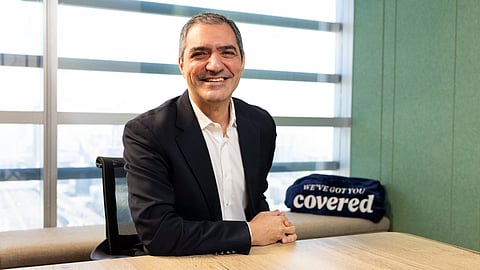
For Haleon, the global consumer healthcare company behind brands including Panadol, Sensodyne, Centrum and Voltaren, the findings show the importance of making self-care a bigger part of the region's healthcare discussion. "Healthcare literacy is not only a health strategy, but also an economic strategy," says Arda Arat, General Manager of Haleon Gulf & Near East.
Haleon's purpose is to deliver everyday better health with humanity, a philosophy that Arat says goes beyond providing trusted healthcare products. It is about giving consumers the knowledge and confidence to take greater responsibility for their own well-being. "Every consumer should be empowered to take charge of their own health, which means they understand their symptoms, they understand how to take action and when to see a healthcare provider," he says.
He describes confidence as almost synonymous with self-care, explaining that people are more likely to make the right decisions when they have access to clear, reliable information and feel they can act on it.
That confidence, however, does not build overnight. It requires greater awareness, education and access to information that people can understand and apply in their daily lives.
For the UAE, where healthcare costs, productivity and population well-being are increasingly important considerations, the economic argument for improving health literacy is particularly significant. Well-informed consumers can make better use of healthcare services while potentially reducing unnecessary pressure on an already busy system.
Collaborative effort
However, Arat stresses that improving self-care is not something one organisation can achieve alone. "It can only happen through the collaboration of multiple partnerships, including healthcare providers, government, academia, industry and many more," he says.
One of Haleon's initiatives aimed at translating health awareness into practical action is its We've Got You Covered campaign, which features products such as Panadol Cold & Flu and Otrivin. The campaign focuses on helping people recognise common cold and flu symptoms and understand the solutions available to them, encouraging people to take appropriate action when they need it.
For Arat, it represents one part of a much bigger strategy, moving from the company's purpose of improving everyday health, through building consumer confidence and health literacy, to encouraging people to put that knowledge into practice. "We have the products and solutions available. They have the knowledge available, and they can take action at the appropriate time," he says.
The campaign is being supported through different media, including digital platforms, retail outlets and outdoor advertising, allowing Haleon to reach people across environments. However, consumer-facing campaigns are only one element of the company's wider efforts to strengthen self-care across the UAE.
Partnerships with stakeholders
Haleon is also investing in partnerships with healthcare professionals and educational institutions to improve the quality of information and advice available to consumers.
The Haleon Health Partners (HHP) platform, for example, aims to equip healthcare professionals with the tools and knowledge they need to help people understand their symptoms and find appropriate solutions. The company is also working with the University of Sharjah to support the training and development of pharmacists entering the UAE healthcare sector. Arat says these initiatives are important because pharmacists and other healthcare professionals play a significant role in helping to navigate everyday health concerns.
Arat says building stronger partnerships with government entities will be a priority in the future, particularly as the UAE continues to focus on healthcare accessibility, prevention and improved community well-being. He believes there is an opportunity for the private sector to work more closely with government to develop initiatives that raise health literacy, improve consumer confidence and generate wider economic benefits.
"How we can help the government unlock this healthcare and economical strategy together is important," he says. "We need to work together to increase health literacy, to unlock this money that can be spent elsewhere and to help people take charge of their own health."
For Haleon, the future of self-care lies in creating a more informed population, where people feel confident making everyday health decisions while recognising the value of professional medical advice.
This content comes from Reach by Gulf News, which is the branded content team of GN Media.