Dubai leads debate on future of work as AI agents enter government offices
DGHR forum explores how Agentic AI is transforming jobs, public-sector decision-making
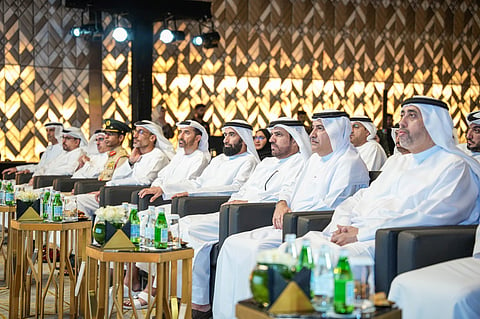
Dubai: Dubai’s public sector is preparing for a future where artificial intelligence not only automates routine tasks but also actively supports decision-making, workforce planning and organisational operations, prompting a renewed focus on governance, accountability and human oversight.
The Dubai Government Human Resources Department (DGHR) has concluded the first edition of DGHR Multaqa 2026, a high-level forum that brought together government leaders, policymakers and industry experts to examine the growing impact of Agentic AI on the workplace and the future of human resources.
Held under the theme “Agents at Work. Humans in Charge. Policy as Guide.”, the forum explored how a new generation of intelligent systems is reshaping jobs, leadership models and workforce capabilities, while highlighting the policies and governance frameworks needed to ensure their responsible adoption across government entities.
Agentic AI
The event comes as governments worldwide accelerate efforts to integrate advanced AI technologies into public services and administrative functions. Unlike traditional automation tools, Agentic AI systems can perform complex tasks, operate across workflows and provide recommendations that influence organisational decisions, creating both opportunities and new governance challenges.
A series of executive dialogues and strategic discussions focused on the implications of these technologies for workforce design, talent development and organisational performance. Participants examined how public institutions can prepare employees for an increasingly AI-enabled environment while ensuring that human judgement remains central to decision-making.
Participants
The forum attracted representatives from government entities, technology companies and educational institutions, including LinkedIn, SAP, Emirates Global Aluminium, Alef Education and the Abdulla Al Ghurair Foundation. Officials from Digital Dubai, the Telecommunications and Digital Government Regulatory Authority and several national institutions also participated in the discussions.
Speakers highlighted the importance of equipping employees with future-ready skills and strengthening institutional capabilities to keep pace with rapid technological change. Discussions also explored how governments can build agile workforces capable of working alongside intelligent systems while maintaining transparency and public trust.
Addressing the forum, Abdullah Ali Bin Zayed Al Falasi, Director General of DGHR, stressed that the shift underway extends beyond conventional automation and requires a new policy approach centred on accountability and responsible use.
“Artificial intelligence can support work, analyse information and provide recommendations, but it cannot replace human judgement or assume responsibility for decisions. Technology can enhance the way we work, but people must remain the custodians of judgement, accountability and public value,” he added.
One of the key outcomes of the event was the presentation of DGHR’s White Paper on Agentic AI Governance in Government HR Systems. The document provides a reference framework for understanding the opportunities, risks and governance requirements associated with the adoption of intelligent technologies in human resources functions.
White paper
The white paper examines global trends in AI-enabled HR systems and outlines key considerations relating to transparency, accountability, institutional trust and responsible implementation. It also explores how advanced AI tools can improve operational efficiency, employee experience and the quality of workforce-related decisions.
The framework served as a foundation for many of the forum’s discussions, helping participants assess how governments can balance innovation with effective oversight as AI capabilities continue to evolve.
The event also featured a dedicated Policy Lab, where participants shared insights and recommendations aimed at informing future policy development and strengthening government readiness for the next phase of workplace transformation.
DGHR said the recommendations and discussions generated during the inaugural forum will contribute to shaping future initiatives, with a second edition planned to build on the insights and policy directions emerging from this year’s event.


