iPhone 18 Pro Max leaks: How Apple’s biggest camera upgrade could transform your photos
Here's a quick and simple breakdown on what the camera leaks mean
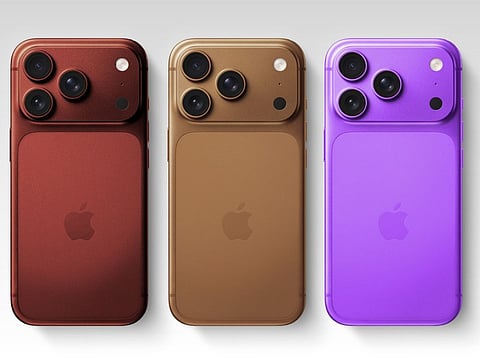
Sometimes all the tech talk just blurs together, and the only thing you catch is… iPhone 18 Pro Max camera is just that good?
Well, that’s what the leaks are hinting at. If words like aperture make your eyes glaze over, here’s a quick and simple breakdown.
iPhone 18 Pro Max camera leaks
Variable Aperture (Main camera): Lens can physically open and close for better low-light shots, less overexposure, and more natural background blur, according to MacRumours.
Telephoto upgrade: Larger aperture, which means brighter, sharper zoom photos, faster shutter, improved portraits.
Possible teleconverter: Could extend zoom range for clearer long-distance shots (still unconfirmed).
Front camera: Rumoured 24MP, more detailed selfies and video calls.
Mechanical iris: Better light control at the source, which means more natural colours and highlights.
Under-Display Face ID: Cleaner front panel; front camera repositioned.
Impact: Everyday photos may improve slightly; low-light, zoom, and portrait shots could see noticeable gains. More creative control for enthusiasts without needing a separate camera.
iPhone 18 could just break a few traditions
Apple’s iPhone cameras have long leaned on powerful software to improve photos, using features like Smart HDR, Night mode and portrait effects to brighten shadows, balance highlights and simulate depth rather than changing the physical behaviour of the lens itself.
On recent Pro models, including the iPhone 14 Pro through the iPhone 17 Pro, the main camera uses a fixed aperture that always stays at the same size and cannot physically adjust to let in more or less light.
Rumours from multiple reputable leakers and analysts now suggest that the iPhone 18 Pro and iPhone 18 Pro Max could be the first iPhones to include a variable aperture system, allowing the lens opening to change based on lighting and giving users more control over exposure and depth of field.
Why variable aperture matters
All recent Pro iPhones, from the 14 Pro through the 17 Pro, use a fixed ƒ/1.78 aperture on the main camera. While Apple’s software does a remarkable job of compensating for different lighting conditions, photographers have no real control over how light enters the sensor or how shallow the background blur appears.
A variable aperture, however, would allow the lens to physically widen in darker settings to gather more light or narrow in bright environments to prevent overexposure.
This means not only better low-light performance but also more natural depth-of-field control, where subjects stand out sharply against a softly blurred background.
In short, Apple could be giving the iPhone a level of optical control that has traditionally been reserved for dedicated cameras. Samsung attempted this with the Galaxy S9 and S10, but the feature was dropped due to cost, size, and complexity, according to MacRumours.
Apple’s approach could succeed where others failed because of its scale, supply chain, and more relaxed priorities around device thinness and battery capacity.
Telephoto upgrades could make a bigger difference than you think
Leaks also point to Apple testing a telephoto camera with a larger aperture for the iPhone 18 Pro and Pro Max, which could help the phone perform better in dim lighting by letting more light reach the sensor.
On current models, the telephoto camera has an ƒ/2.8 aperture, and increasing that size generally means photos can be brighter and less grainy when light is limited. A wider telephoto aperture can also help the background look more naturally separated from the subject.
Some reports even suggest Apple is exploring a teleconverter system to extend zoom reach, which if included could improve long‑range shots and overall zoom performance, though the exact impact on image quality and light sensitivity remains unclear until we see a final product.
Beyond hardware: A smarter hybrid system
Apple’s rumoured upgrades go beyond optics. The main camera could feature a mechanical iris, while the front-facing camera might be upgraded to 24 megapixels. Under-display Face ID is expected, which would also reposition the front camera, creating a cleaner, more seamless front panel.
The significance of these upgrades is not just incremental. By introducing mechanical control beneath its computational photography algorithms, Apple is essentially giving the iPhone a stronger foundation to capture light more accurately, leading to better highlights, smoother colour transitions, and more realistic depth in every shot.
Who will notice the difference?
Casual users may see only subtle improvements in everyday photos, particularly in bright daylight. However, photographers, content creators, travellers, and anyone who frequently shoots indoors or at night are likely to notice the difference immediately.
If Apple integrates aperture control into Pro-level camera settings, users could gain manual creative options previously unavailable on an iPhone, bridging the gap between smartphone convenience and the flexibility of a traditional camera.
What this means for the iPhone 18 Pro max
The iPhone 18 Pro Max is expected to launch in September 2026. While the design may remain largely familiar and the A20 Pro chip will deliver significant performance improvements, these camera upgrades suggest a more fundamental shift. Apple appears to be moving beyond megapixel counts and software-only solutions, blending physical optics with computation to deliver more natural, versatile, and powerful photography capabilities.
For anyone who has ever wished their iPhone could handle tricky lighting or provide more control over focus and background blur, these leaks hint that the wait might soon be over.
The iPhone 18 Pro Max could finally combine the best of both worlds: smartphone convenience with the subtlety and precision of a real camera.


