Neves abuse: Saudi clubs must follow the Premier League’s lead on stadium abuse
After Ruben Neves was taunted about the death of his friend, strong action must be taken
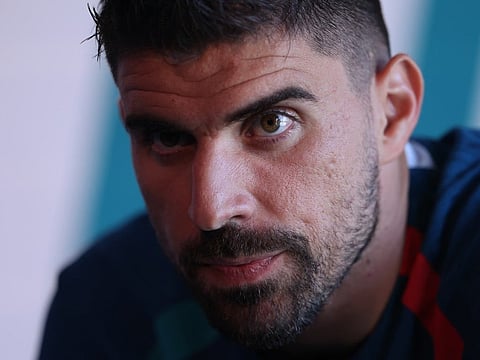
Dubai: What happened to Ruben Neves in Saudi Arabia was more than just unacceptable behaviour, it was a reminder that football clubs must do more to protect players from abuse inside their own stadiums.
The Portuguese international was taunted by opposition fans about the death of his close friend and former teammate Diago Jota during Al Hilal’s Saudi Pro League clash against Al Taawoun on September 12.
Jota, who played alongside Neves for Wolves and the Portugal national team, died in a car accident in Spain, in July 2025 at the age of 28. His younger brother, André Silva, 25, also died in the crash.
In response to the abuse, the Saudi Pro League (SPL) issued a strong statement condemning the chants, after Cristiano Ronaldo called for lifetime stadium bans for fans involved.
Neves’ club, Al Hilal, also described the chants as “offensive and unacceptable” and confirmed it had filed a complaint with the Saudi Arabian Football Federation (SAFF).
Al Taawoun also expressed it’s “strong condemnation” in regards to the abusive Neves received.
The SAFF said its “relevant committees” would take “necessary action”, stressing that exploiting personal tragedies to abuse or provoke players “has no place in Saudi football” and that the outcome would be announced once the process is complete.
Follow Premier League club’s lead
While the SAFF’s investigation continues and the supporters responsible are identified, Al Taawoun should be looking at what can be done at club level.
A statement condemning the chants is important, but it should not be the end of the matter. If those responsible are identified as Al Taawoun supporters, the club should follow the example set by Premier League clubs and impose a significant stadium ban, sending a clear message that abusing a player over the death of a loved one will not be tolerated.
There is already a clear precedent for this in English football. In March 2024, three Arsenal supporters were handed three-year football banning orders after admitting to tragedy chanting during the FA Cup match against Liverpool at the Emirates Stadium.
Arsenal said it had a “zero-tolerance approach” to tragedy chanting and had worked with police to ensure swift action. The Premier League also backed the punishments, stressing that tragedy-related abuse has no place in football.
The Premier League has also made clear that clubs are expected to take strong action against unacceptable behaviour inside stadiums. In 2022, its clubs unanimously agreed to minimum-length bans for supporters involved in anti-social and criminal behaviour, with automatic club bans of at least one year for offences including discriminatory behaviour, pitch invasions and the use of pyrotechnics.
Leeds United issued a lifetime ban to a supporter who invaded the pitch and entered the technical area during a match against Newcastle United in 2023. Meanwhile, a fan who racially abused Tottenham’s Son Heung-min was given a three-year football banning order, preventing him from attending regulated football matches.
Those examples demonstrate that clubs do not have to wait indefinitely for a governing body to decide what punishment is appropriate. Once offenders are identified and the evidence is established, clubs have the power to make their own stance clear.
Al Taawoun now has an opportunity to show that Saudi football can hold its supporters to the same high standards, particularly when the abuse crosses the line from football rivalry into mocking a player’s personal tragedy.


