Australia’s social media ban for children is a wake-up call for all of us
Australia forces the world to confront what screens are stealing from the next generation
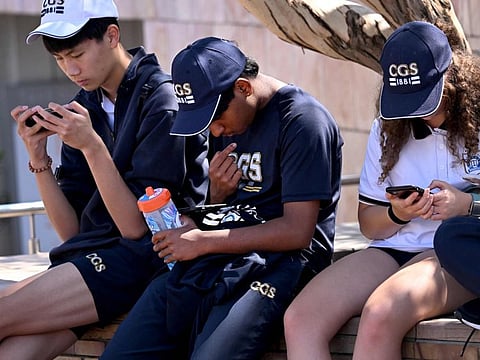
While moderating a book discussion recently, I joked how lucky my generation was to have grown up in the 80s and 90s without cellphones, where we did all the stupid things kids would do but thank goodness there was no evidence on video! Many in the audience laughed and lamented too as parents said that their children were not just addicted to gadgets but also found their self worth on social media.
Last week, Australia became the first country in the world to ban children under the age of 16 from using social media, a move that other countries around the world are watching closely. The platforms affected by Australia’s new law include Facebook, Instagram, Snapchat, TikTok, X, YouTube, Reddit and more. But messaging apps like WhatsApp, Google classroom and YouTube Kids are not impacted.
Onus on platforms
The onus is on the social media platforms to enforce the new rules or face very heavy fines. The fines go as high as $32 million, especially for repeated violations. The platforms have been told to use technology to verify age, like facial or voice recognition. Some experts have rightly flagged the potential for misuse and mistakes that could end up banning genuine users, but these are chinks that will have to be worked out along the way.
As the ban came into effect on December 10, Australian Prime Minister Anthony Albanese said “this is families taking back control, parents getting more peace of mind… But young people as well being able to enjoy their childhood.” He went on to say “technology has done wonderful things but we need to keep in control of it”.
Too much time on gadgets
I could not agree more. Phones and computers have taken over the lives of children who spend more time looking at screens than they do talking to their own family members. Young women scroll through Tik Tok and Instagram believing they need to copy how influencers dress and talk. Many grapple with serious body image issues. Their self worth is defined by how may “likes” a post has got, how many views a video has raked in. There is also the concern about predators who lurk in the online space; about online bullies too.
That is not to say social media does not have positives. For many young teens, it is a great way to stay connected with friends, giving them a space to deal with their stress. But studies have shown it actually ends up leading to more stress and often depression. In 2023, the United States Surgeon General released a social media advisory about social media and mental health. It said that social media has potential to harm the mental health of children and adolescents. The link to depression has been highlighted.
Countries ready to follow
While the world waits to see how the Australia ban plays out, some countries have already indicated they may follow. Denmark for one, while Malaysia has announced it plans to implement a similar ban. I hope the same is replicated in India. The Times of India newspaper had an interesting suggestion to make people pay for the use of social media, even a small token amount. This would help parents better monitor what apps their children are on. It is true that people will find a way to circumvent this ban and use technology to mask their real age, but we still have to try.
I feel this generation is almost robot-like in how its growing up - their thinking, their exposure to life outside their phones. How many children do you know who do simple things like riding their bikes, play a sport outdoors, enjoy camping with friends, or just sit at home and read a book? We have to let children BE children for as long as they can. Social media can be good but the dark side outweighs that by a long shot.


