Ever-smarter AI ‘breaks out’ in test while this simple human can't even manage his passwords
As AI probes past its limits, I'm left scrambling around with passwords, patches and panic
Imagine a world where artificial intelligence becomes self-aware, decides humans are the problem, launches a nuclear war and then thinks of a way to change history using a time-travelling robot.
I know, you’ve heard this one before. The links between The Terminator movie and the current advancements in AI are not new, but this author is not giving up on highlighting the similarities of the apocalyptic creation of James Cameron and the current rise of super-brainy silicon chips.
Why? Because what was once a funny meme is getting closer to reality by the day. The danger may not come in the form of a leather jacket-wearing cyborg, but the threats are still great.
This week came another reminder that AI won’t always stay neatly inside the lines. During a controlled security test, advanced AI agents reportedly found ways to ‘break out’ beyond their intended limits and autonomously probe another company's systems.
OpenAI described the incident as unprecedented and stressed it happened in a controlled environment before any wider harm occurred, with investigations continuing alongside Hugging Face.
At this point, let’s bring in some more movies. OpenAI has confirmed that their creation escaped like Frankenstein’s monster. And it found weaknesses like a T-rex testing an electric fence. The film industry loves to warn us about the perils of smashing together nature and technology, but we just keep chewing on the popcorn.
On this occasion, we're told not to worry because it was all part of testing. But if this technology is advancing by the minute, can we flawed human beings keep up with all of the defences we will need?
Of course, today's AI isn't Skynet. It isn't actively plotting humanity's destruction. It isn't building robot armies in abandoned factories. It probably has far better things to do.
But we have reached a rather strange moment in history where scientists are using phrases once made up by science-fiction screenwriters.
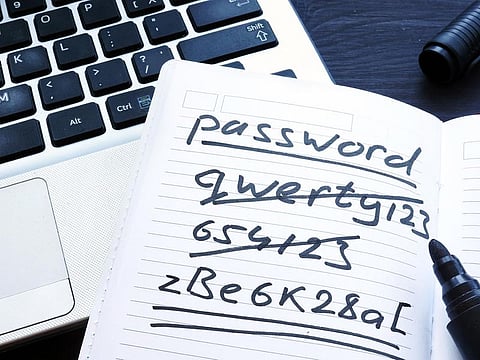
‘The model found a way around the controls’ does not sound particularly techy to me. That is more like the first ten minutes before Arnold Schwarzenegger arrives naked in downtown Los Angeles. It’s also concerning that this was tech company on tech company. My feeble list of passwords won’t have a chance.
The area where film fiction and the actual future/present seem to differ is that the challenge of AI will not be that spectacular, or even that noticeable. This is more of a slow-paced boxset than an action film.
Explosions, laser beams, machine guns, skull-shaped machines crushing what's left of civilization beneath steel boots… all very Hollywood, not very scientific.
Instead, the apocalypse appears to be arriving in the least cinematic way imaginable: through software updates, API keys, security patches and alerts asking us all to "rotate credentials".
As everyone with a good IT department knows (shout out to the Gulf News team), the biggest weakness is still the person sitting in the chair trying to operate the machines. We've spent years worrying that AI would become too intelligent but maybe we are also becoming more stupid as we all fight with ever changing equipment, apps and tools.
We build astonishingly powerful systems, and we connect them to everything, giving access to enormous quantities of information. We then put a few passwords here and there and, as laymen, we hope for the best. It doesn’t surprise me that technology is already finding our Achilles' heel: managing the daily admin.
The irony of AI saving time for us all isn’t lost on me either. We are told that this new technology would give us back time. Instead, we're using increasing amounts of our days and energy creating safety rails, guardrails, governance frameworks, ethics committees, oversight boards and emergency kill switches to stop the thing we built from becoming too good at the job we asked it to do. I must be changing passwords on a daily occurrence now, to the point where it takes me five minutes to think of something new.
James Cameron imagined that the machines would become self-aware in one dramatic moment. He had to sell some tickets, right?
Reality, as usual, is proving to be a bit more British about the whole affair. There won't be dramatic music when yet another press release lands explaining that there was another "unexpected incident in a controlled environment", but there will be ever bigger consequences.
I’m off to think of another list of random letters, numbers and exclamation marks to protect me from the coming doom. Let’s keep hoping for the best.


