Paris Modest Fashion Week 2026: Global designers, runway highlights and key trends from Day 1 and Day 2
The event was all about where modest fashion is headed next, and who gets to shape it.
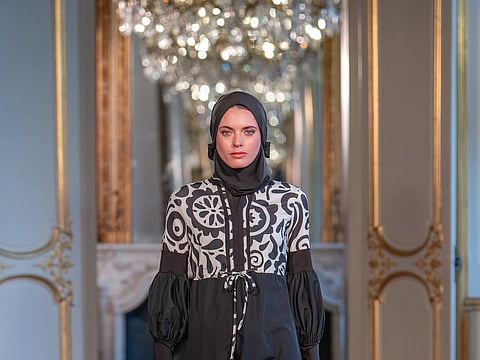
Paris Modest Fashion Week 2026 returned to Paris this week for its 11th edition, taking over the elegant Hôtel Le Marois and turning it into a meeting point for designers, creatives, buyers and digital voices from around the world. Over two days, the event was all about where modest fashion is headed next, and who gets to shape it.
Day 1: Modest fashion and ideas
The opening day set an energetic pace, running from early afternoon into the evening with a mix of runway shows and panel discussions that went beyond clothes and into the ideas shaping them.
A recurring thread through the day was how modest fashion has moved firmly into the global mainstream, not as a niche, but as a creative language in its own right. That idea carried into panels that explored everything from the role of digital creators to the growing influence of AI in design, and even whether modest fashion is quietly redefining modern luxury.
Sessions like “The Influence Impact: Beyond the Feed” and “What AI Can’t Fix?” leaned into how technology is reshaping creativity, while others, such as “Is ‘Modest’ the New Standard for Luxury?”, opened up broader questions about aesthetics, identity and cultural expression.
But it was the runway that brought those conversations into visual form.
Designers from more than a dozen countries presented collections that reflected personal heritage, craftsmanship and evolving interpretations of modest style. Serbian label Sedzda Couture leaned into structured, architectural silhouettes, while Indonesia’s Nada Puspita brought its signature soft femininity and accessible global appeal. France-based Soutoura merged Parisian street influences with understated elegance, and Qatar’s Hindami continued its focus on refined abayas and everyday versatility.
There were also more experimental and narrative-led showcases, from Nigeria’s Afrik Abaya, which used fluid silhouettes and colour shifts to reflect resilience and life stages, to Spain’s Tamara Press, which embraced bold, maximalist tailoring. Brands like Flaunt Archive (Nigeria) and Roqaia Fashion House (Kuwait) added a personal touch.
By the end of the day, the sentiment from organisers captured the tone best: modest fashion was framed as a space for culture and ideas.
Day 2: Fashion as strategy, storytelling and identity
If Day 1 was about ideas, Day 2 shifted the focus to how those ideas actually become brands that last.
Held again at Hôtel Le Marois, the second day brought a more industry-facing energy. The conversations moved from inspiration to structure — how designers scale globally, how they maintain identity while growing, and what really makes buyers say yes.
Panels such as “Protecting the DNA: How to Grow Without Losing Your ‘Why?’” and “Buyers’ Lens: What Makes Us Say Yes?” reflected a practical side of fashion that is often hidden behind the glamour. Other sessions explored storytelling as a business tool, and the myth of Gen Z loyalty in an age where values and authenticity matter as much as aesthetics.
The runway continued to feel globally diverse, but with a slightly more refined, product-focused lens.
Russia’s Aynaeva presented bridalwear rooted in cultural heritage, while Turkey’s Mayovera offered modest swimwear designed around movement and ease. UK-based Dahlia Bridal brought together Middle Eastern influences and custom couture detailing, and Kazakhstan’s Muradym leaned into luxury with a blend of European and Kazakh sensibilities.
There were also pieces that blurred the line between fashion and art — such as Asmau Ardo’s handcrafted Italian footwear, and Gvileti & Pkhamat’s collaborative capsule collection rooted in regional craftsmanship.
Experiential elements played a bigger role too. HAMIDI by Sterling Perfumes introduced fragrance into the runway experience, while Confy focused on shaping the flow and feel of the event itself, reinforcing the idea that fashion today is as much about atmosphere as it is about clothing.
Across the day, one theme kept resurfacing: storytelling is present in the infrastructure.
Ozlem Sahin, CEO of Modest Fashion Weeks by Think Fashion said in a statement, ‘’Empowering designers to connect with global audiences through heritage and storytelling, we continue to shape the future of the industry. On day two, we welcomed key local industry experts and fostered meaningful collaboration and dialogue.’’


