Precision and innovation reshape cancer treatment
Genetic profiling, targeted therapies reshape oncology care in the region
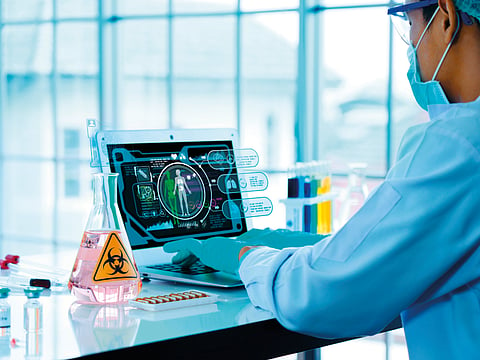
Cancer treatment is leaving behind its rigid, conventional approach and stepping into a new era — one where therapies are as unique as the patients themselves. With precision medicine gaining momentum, hospitals are leveraging genetic profiling and immunotherapy to craft highly personalised treatment plans, drastically improving outcomes while minimising unnecessary side effects.
“Genetic profiling allows oncologists to pinpoint specific mutations that drive cancer growth, making treatments far more effective,” says Dr Pranay Taori, Specialist Medical Oncology at Aster Hospital, Qusais. By analysing a patient’s genetic makeup, doctors can determine which therapies will work best, steering away from the trial-and-error approach of conventional treatments.
Immunotherapy, which uses the body’s immune system to target and destroy cancer cells, is another game-changer. When combined with biomarker testing, it enables specialists to predict which patients will benefit most from treatments like immune checkpoint inhibitors. “We have adopted comprehensive molecular testing to guide therapy selection, ensuring that patients receive the most effective, least toxic treatments available,” Dr Taori explains.

The integration of liquid biopsies — a minimally invasive method for detecting circulating tumour DNA — is also transforming the way hospitals monitor cancer. These advanced diagnostics help track treatment response in real time and detect relapses earlier than traditional methods. “By combining genomics, immunotherapy, and cutting-edge diagnostics, we are moving towards a future where cancer care is not just about fighting the disease, but about customising care for each individual patient,” Dr Taori adds.

At Cleveland Clinic Abu Dhabi, this personalised approach is already redefining cancer treatment. “We are entering a new era in cancer care, where innovation is making treatments more precise, effective, and individualised than ever before,” says Dr Stephen Grobmyer, Chair of the Cancer Institute at Cleveland Clinic Abu Dhabi. The hospital integrates advanced molecular diagnostics to identify the best-targeted therapies, ensuring that each patient benefits from a treatment plan tailored to their genetic blueprint. “This level of precision not only enhances efficacy but also improves safety, ultimately leading to higher cure rates,” Dr Grobmyer believes.
AI in cancer care
Cancer diagnostics are no longer just about sharp eyes and seasoned expertise — artificial intelligence is stepping in, bringing unparalleled precision, speed, and efficiency to the table. From detecting cancer in its earliest stages to guiding highly targeted treatments, AI-powered diagnostic tools are changing the way oncologists approach the disease.
“AI is reshaping cancer diagnostics and treatment planning by improving accuracy, speed, and efficiency,” says Dr Taori. AI-driven algorithms are now widely used in radiology, pathology, and genomics, helping doctors spot cancers earlier and refine their decision-making process.
For instance, AI-powered imaging tools can analyse CT scans, MRIs, and mammograms with remarkable precision, identifying subtle anomalies that might elude even the most experienced radiologists. “AI-assisted pathology is also transforming biopsy interpretation, offering real-time insights into tumour characteristics,” Taori explains. At Aster Hospital, AI-driven risk assessment models predict disease progression and help tailor treatment plans accordingly. “This technology not only enhances early detection but also ensures oncologists choose the most effective treatment strategies based on real-world data and predictive analytics,” he adds. The result? Faster diagnoses, more precise treatments, and significantly improved patient outcomes.
Cleveland Clinic Abu Dhabi is also harnessing the power of AI to push the boundaries of precision medicine. “AI-driven analysis has significantly improved early detection accuracy, allowing us to identify cancers at their most treatable stages,” says Dr Fady Geara, Department Chair of Radiation Oncology at the hospital’s Cancer Institute. The ability to combine AI insights with the expertise of multidisciplinary teams has proven to be a game-changer, making data-driven treatment decisions that enhance patient care.
One of the most groundbreaking applications is Cleveland Clinic Abu Dhabi’s Adaptive Radiation Oncology Program, which leverages AI to deliver life-saving radiation therapy with unprecedented precision. “This type of AI-empowered radiation therapy is not widely available, making it a crucial advancement in cancer care,” Dr Geara notes.
With AI continuing to evolve, hospitals are ensuring they remain at the forefront of innovation. “For the past decade, Cleveland Clinic Abu Dhabi has continuously brought the latest advancements in precision medicine and AI to the UAE and beyond,” Dr Geara says.
Beyond just the medicine
Cancer treatment isn’t just about killing cancer cells — it’s also about healing the whole person. As hospitals move beyond traditional treatments, they’re integrating mental health support, nutrition, and wellness programmes into cancer care, proving that a multidisciplinary approach can be just as powerful as medicine itself.
“Cancer treatment extends far beyond chemotherapy, surgery, and radiation,” says Dr Taori. “A holistic approach that includes mental health support, nutrition, physiotherapy, and wellness programmes plays a crucial role in improving patient outcomes.”
Mental health is often overlooked in cancer care, despite the heavy emotional toll that comes with diagnosis and treatment. “Psychological well-being is crucial, as cancer can lead to stress, anxiety, and depression,” Taori explains. At Aster Hospital, psycho-oncology services offer counselling, mindfulness sessions, and emotional support to both patients and their families, ensuring that healing isn’t just physical but also emotional.
Nutrition is another game-changer. “Personalised diet plans help patients maintain strength and reduce treatment-related side effects,” Dr Taori says. Emphasising anti-inflammatory diets and gut microbiome support, hospitals are tailoring nutrition to enhance recovery and improve overall well-being.
Physical rehabilitation and palliative care also play a key role in holistic cancer treatment.
“By addressing the physical, emotional, and nutritional needs of patients, we create a supportive ecosystem that fosters healing, resilience, and long-term well-being,” Dr Taori adds.
Cleveland Clinic Abu Dhabi is championing this approach as well. “Innovation is transforming cancer care — not just in how we treat cancer but also in how we support patients through their journey,” says Dr Geara.
At Cleveland Clinic Abu Dhabi, holistic care is embedded into every treatment plan. “We recognise that cancer treatment goes beyond medical interventions — it requires a comprehensive, multidisciplinary approach,” Geara explains.
The hospital integrates mental health support, nutrition counselling, and wellness programmes, ensuring that patients receive care that prioritises their overall well-being. “This patient-centered approach has been instrumental in improving recovery experiences and quality of life,” Dr Geara believes.
Global collaboration
Cancer doesn’t care about borders — so why should cancer research? As international partnerships in oncology grow stronger, hospitals around the world are fast-tracking groundbreaking clinical trials, drug discoveries, and innovative treatments, giving patients access to cutting-edge therapies without waiting years for approval.
“Cancer research is increasingly becoming a global effort, with international partnerships driving groundbreaking clinical trials, drug discoveries, and innovative therapies,” says Dr Taori. By collaborating with research institutions worldwide, hospitals can bring the latest advancements to patients much faster than ever before.
At Aster Hospital, participation in multi-center clinical trials is opening doors to revolutionary treatments, including CAR-T cell therapy, mRNA-based cancer vaccines, and next-generation precision oncology drugs. “These breakthroughs are emerging because of global collaboration, giving patients access to life-saving treatments that might not yet be widely available,” Dr Taori explains.
Beyond new treatments, hospitals are also using partnerships to enhance cancer care with real-world data sharing and AI-driven analytics. “By fostering a global network of oncologists, researchers, and pharmaceutical leaders, we’re shaping a future where cancer treatment isn’t just about survival — it’s about improving quality of life and ensuring better long-term outcomes for patients everywhere,” Taori believes.
Cleveland Clinic Abu Dhabi is leading the charge in global oncology collaboration. “As a testament to this progress, the Fatima Bint Mubarak Center at Cleveland Clinic Abu Dhabi has been selected as the first center in the region to participate in a global therapeutic clinical trial aimed at reducing the recurrence of breast cancer,” says Dr Grobmyer.
Through these international research initiatives, Cleveland Clinic Abu Dhabi is bringing the latest innovations in cancer care to the UAE, eliminating the need for patients to travel abroad in search of advanced treatment. “These partnerships enable us to contribute to groundbreaking discoveries while ensuring that patients benefit from the most advanced cancer therapies available today,” Dr Grobmyer adds.


