
6 summer diet mistakes to avoid
These food choices could leave you dehydrated, sluggish and constantly hungry
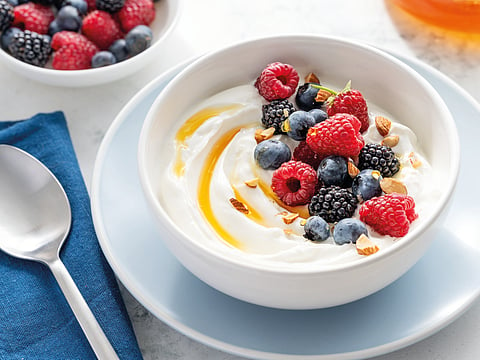
By the time summer arrives, many of us naturally change the way we eat. Hot meals give way to salads, fruit becomes a meal in itself, iced coffees replace breakfast and the freezer suddenly looks far more appealing than the fruit bowl.
While these changes may feel healthy, they don’t always give your body what it needs. High temperatures place extra demands on the body as it works harder to regulate its temperature and replace fluids lost through sweat. The result is that some seemingly sensible food choices can actually leave you feeling tired, dehydrated and reaching for more snacks.
Here’s what dietitians say you should avoid, and what to eat instead.
1. Replacing meals with fruit
Nothing says summer like a chilled bowl of watermelon or pineapple. They’re packed with water, vitamins and antioxidants, making them perfect for hot days.
The problem starts when fruit becomes breakfast or lunch. Fruit contains natural sugars and fibre, but very little protein or fat. That means you’ll digest it quickly and probably feel hungry again within an hour or two.
Instead, build a balanced meal by pairing fruit with protein. Greek yogurt with berries, cottage cheese with melon or an apple with a handful of almonds will keep you full for much longer.
According to Lena Beal, Registered Dietitian Nutritionist and spokesperson for the Academy of Nutrition and Dietetics, lighter meals are ideal during periods of extreme heat, but they should still provide balanced nutrition. Speaking to TIME, she recommends choosing meals that include lean proteins alongside water-rich fruits and vegetables to help fuel the body without making digestion feel like hard work.
2. Drinking your calories
Iced coffees, smoothies, milkshakes and fruit juices are summer favourites. Unfortunately, many contain as much sugar as dessert.
A large flavoured iced coffee can easily contain several teaspoons of added sugar, while some bottled smoothies provide more calories than a full meal.
Liquid calories are also less satisfying than solid food. Your brain simply doesn’t register them in the same way, so you may still feel hungry soon afterwards.
Choose water first. If plain water isn’t appealing, add slices of lemon, cucumber, orange or fresh mint. Unsweetened iced tea is another refreshing alternative.
If you’re craving a smoothie, make your own using fruit, Greek yogurt and milk without adding syrups or sweetened juices.
3. Forgetting protein
When temperatures climb above 40°C, many people lose their appetite for heavier foods. That often means protein disappears from the plate altogether.
Protein plays an important role in preserving muscle, supporting recovery after exercise and helping control hunger. Without enough of it, energy levels can dip during the afternoon and cravings often follow.
Fortunately, protein doesn’t have to be heavy. Cold grilled chicken, tuna, boiled eggs, chickpeas, lentils, tofu and Greek yogurt all work well in summer meals.
Beal told TIME that lean proteins such as tuna, shrimp and legumes are easier to digest than heavier fatty meals during periods of extreme heat.
4. Waiting until you’re thirsty
Many people assume thirst is the signal to drink water. In reality, by the time you’re thirsty, your body may already be mildly dehydrated.
Even mild dehydration can affect concentration, mood and physical performance. It may also cause headaches and leave you feeling more fatigued than usual.
Theresa Gentile, Certified Dietitian Nutritionist and spokesperson for the Academy of Nutrition and Dietetics, advises drinking fluids consistently throughout the day rather than waiting until thirst sets in. She also points out that foods contribute to hydration, particularly fruits and vegetables with a naturally high water content.
Watermelon, cucumbers, tomatoes, oranges, strawberries and lettuce are excellent choices because they provide both water and valuable nutrients.
A simple way to check your hydration is to look at the colour of your urine. Pale yellow usually indicates you’re drinking enough fluids.
5. Assuming every salad is healthy
Salads have earned a healthy reputation, but not every bowl of greens deserves one.
Creamy dressings, fried chicken, bacon, croutons and generous amounts of cheese can quickly turn a light meal into one that’s high in calories and saturated fat.
A better approach is to think about balance. Start with plenty of colourful vegetables, then add lean protein such as grilled chicken, salmon or chickpeas. Finish with healthy fats from avocado, seeds or a drizzle of olive oil.
You’ll end up with a meal that’s filling, nutritious and far more satisfying than a plate of lettuce on its own.
6. Reaching for salty snacks
Hot weather often brings cravings for crisps, crackers and other processed snacks. Unfortunately, these foods tend to be high in sodium, which can make dehydration worse if you aren’t replacing fluids.
Martha McKittrick, a registered dietitian in New York, told TIME that salty processed foods can increase sodium intake and contribute to dehydration when fluid intake is inadequate.
Highly processed snacks are also easy to overeat because they don’t provide much fibre or protein.
Instead, keep healthier alternatives within easy reach. Roasted chickpeas, hummus with vegetable sticks, unsalted nuts, popcorn or plain Greek yogurt with fruit all provide more sustained energy.
Summer smart swaps
Instead of: Sugary iced coffee | Try: Unsweetened iced latte
Instead of: Soft drinks | Try: Sparkling water with lemon and mint
Instead of: Fruit juice | Try: Whole fruit and water
Instead of: Crisps | Try: Roasted chickpeas or unsalted nuts
Instead of: Creamy pasta | Try: Grilled chicken and quinoa salad
Instead of: Ice cream | Try: Greek yogurt with berries


