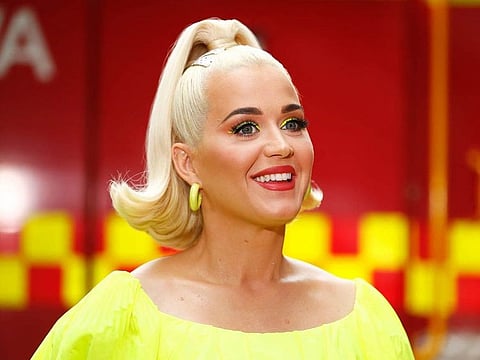
Katy Perry condemns White House's use of Firework: 'A complete violation of everything my song stands for'
She says the White House never sought permission and misused a song written about hope
Dubai: The White House's official TikTok account posted a nine-second video on Thursday showing footage described as military strikes. The clip arrived as the latest in a string of official government social posts documenting the conflict, using black-and-white footage of explosions as its visual backdrop.
What made the video stand out wasn't the footage itself, but the soundtrack. The clip was set to Katy Perry's 2010 hit "Firework," edited so that the song's signature "boom, boom, boom" lyric landed directly over the moment of impact in the footage, a pairing that read to many viewers as deliberate rather than coincidental.
Perry's response
Perry addressed the White House directly on X two days later. "I am deeply appalled and angry to see 'Firework' used on the @WhiteHouse TikTok account as a backing track for video footage of military strikes," she wrote. "I did not approve this, I was not asked, and I absolutely do not condone it."
She followed that with an explanation of what the song had originally been written to represent. "I wrote this song to be an anthem of hope, healing, and inner strength for people going through their darkest personal moments," she said, describing its use in the video as "a complete violation of everything my song stands for." She closed her statement plainly: "My music is for bringing people together, not celebrating warfare."
Why she doesn't actually control the song anymore
Perry's objection comes with a complicating wrinkle that's drawn plenty of attention online. In 2023, she sold the master recordings and publishing rights to five of her albums, including Teenage Dream, home to "Firework," to Litmus Music, in a deal reported at $225 million.
That sale means the legal right to license the song for use in videos like this one likely no longer sits with Perry directly. Her objection, then, isn't really a legal claim, it's a personal one, about how a song she wrote is being used, regardless of who currently owns the paperwork behind it.
Part of a wider pattern
Perry isn't the first artist to publicly push back on how the Trump administration has used their music in official government content. Ariana Grande objected after her song "Bye" appeared in a White House video, writing that her music shouldn't be linked to what she called "this barbaric, inhumane, heinous nonsense." Sabrina Carpenter responded similarly after "Juno" was used to soundtrack footage of arrests, telling the administration directly not to involve her or her music in what she described as "your inhumane agenda." Olivia Rodrigo and the Rolling Stones have also objected to unauthorised use of their work in official content.
That's a slightly different issue from a separate, longer-running dispute. Artists including Bruce Springsteen, Neil Young, Adele and Rihanna have objected in the past to Trump playing their music at campaign rallies, a pattern that predates this current wave of complaints about official government social media accounts specifically.
Perry has a had long history of Democratic political involvement, having endorsed Hillary Clinton, Joe Biden and Kamala Harris across successive presidential elections, a history that's shaped how both sides have chosen to frame her statement.