Fairy tales and their limited view of beauty
Four in ten readers believe that fairy tales have a very limited view of beauty when it comes to the characters
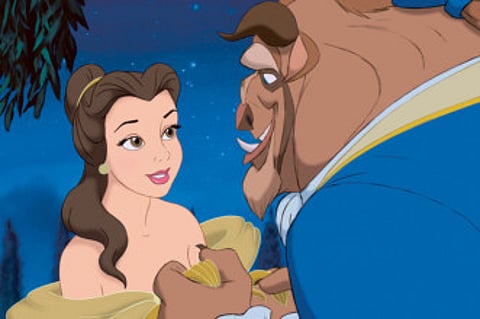
Belle from Beauty and the Beast is described as “stunningly beautiful”. And when Cinderella arrives at the ball, “everyone stopped in mid-sentence to admire her elegance, her beauty and grace.” As innocent as fairy tales may seem, there are certain stereotypes rooted deep within the stories that highlight the dominant gender system and the ideal feminine beauty.
One thing that a majority of tweeps, four in ten poll respondents, agree on, is how fairy tales have a limited view of beauty. There is a socially constructed notion that physical attractiveness is one of women’s most important assets. It is almost as if fairy tales are creating a standard for all women to strive to achieve and maintain.
According to the journal, Gender and Society, the notion of feminine beauty is viewed largely as an “oppressive, patriarchal practice that objectifies and devalues women”. But, many women willingly engage in beauty rituals and perceive being beautiful as empowering.
Beauty, or the pursuit of it, occupies a main role in many women’s lives. And fairy tales seem to be pushing the younger audience towards a certain standard of beauty. The journal goes on to state that children’s stories and fairy tales are a major means by which children assimilate culture. Fairy tales written during the 18th and 19th centuries were intended to “teach girls and young women how to become domesticated, respectable and attractive to a marriage partner”.
Pick up any fairy tale and you’ll find a frequent mention of the characters’ physical appearances. According to the same journal, 94 per cent of the tales make some mention of physical appearance. But, there is a huge difference when it comes to describing the male and female characters; there are approximately five times more references to a woman’s beauty per tale than a man’s “handsomeness”.
So, what is it that we’re trying to achieve? Do we want children to learn that women are beautiful only if they have long, golden hair and big, blue eyes? Why does the fairy tale theme persist? If women want to change this stereotype, then the tales of beautiful princesses looking for their Prince Charming may need to be altered.
Gulf News is bringing back the joy of reading with #GNBookClub, in active participation with the UAE’s Year of Reading 2016 campaign and #UAEReads initiative. Competitions on social media, raffle draws, reader book reviews, Twitter debates, author conversations and loads of literary giveaways are up for grabs. So, hurry up and register!


