UK consumers prefer holidaying to shopping
Eating out is another pursuit more of them are indulging in for the time being
London:
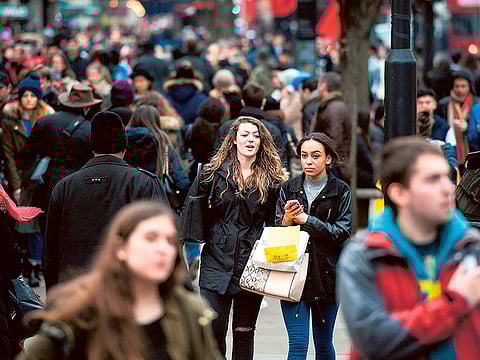
Concern is rising that recovery is bypassing much of the UK high-street as consumers choose to spend extra money on leisure, rather than treating themselves to new clothes and putting more groceries in their shopping baskets.
Britons went on a shopping spree in February as prices fell the most on record, according to official sales figures. But retailers and analysts warn that while falling food and fuel prices mean shoppers have more in their pockets, this is not being spent evenly across retail and leisure outlets.
“Although the consumer has more money, they are spending it very judiciously,” says Clive Black, an analyst at Shore Capital. “And where they are increasing their spending, it is more on services than on goods.”
Sales volumes rose particularly strongly in household goods stores, official figures showed. And although volumes in food stores rose 1.2 per cent in February, the volume and value of food sales has been flat during the past three months, suggesting consumers are not spending their extra money in supermarkets.
Mike Coupe, chief executive of J Sainsbury, says that while consumers are about 10-11 pounds a week better off, they are spending the extra money on items they had “forgone” during the downturn, such as cars, holidays and big ticket items including fridges and televisions.
Sentiment reached its highest level in 13 years, according to the GfK consumer confidence survey. But retailers say clothing sales have been weak in recent months. Indeed, the high-street has been awash with special offers and midseason sales.
Sales of women’s wear have been particularly poor across the industry, partly because there is little reason to make new purchases, says one senior retailer. “Go to your wardrobe and pick up something you bought four to five years ago. It’s perfectly acceptable. No one would know it’s four to five years old,” he says.
Retailers are trying to stimulate sales with an abundance of 1970s style fashion — something that has not been in vogue for years. Other executives say spending is being diverted from fashion to technology and digital products, such as music downloads, while smaller living spaces mean the scope for additional clothing is limited.
Consumers simply have different priorities now, says Richard Hyman, the independent retail analyst who runs the ‘Richard Talks Retail’ website. “Consumers are widening their lifestyles beyond stereotypical materialism,” Hyman says, adding they are choosing to spend their money on travel and leisure, eating out, private health care and education.
Britain’s ageing population, with many comfortably well-off, is typically choosing to spend money on services rather than products. “I think consumers have decided to save a bit more than before, or maybe they decided to take the kids to the cinema, rather than go and spend more in a supermarket or another retailer,” says Andy Clarke, chief executive of Asda.
Marc Bolland, chief executive of Marks and Spencer, says: “[Consumers] have more disposable income that they would like to spend. What they certainly prioritise are things like holidays, weekends out and technology like new iPhones”.
Eating out has also been a beneficiary of rising incomes, helped by the mushrooming of the affordable dining sector.
The report suggests there had been a rise in spending on swim wear and items associated with holidays including flights, indicating early bookings for Easter and summer holidays. Indeed, Thomas Cook, the tour operator, says it sold 54 per cent of its summer holidays, 2 per cent more than this time last year.
Despite sluggish spending in shops, some retailers expect the situation to improve as the recovery becomes more entrenched. Lord Wolfson, chief executive of Next, says: “You will not see immediate improvements across all sectors. In three to four years, I don’t think you will see a permanent shift from one sector to another.”
— Financial Times

