Dubai gold prices today: 24K and 22K rates dip — what buyers need to know
Dubai gold eases from yesterday, while Indian prices rise as traders await US jobs data
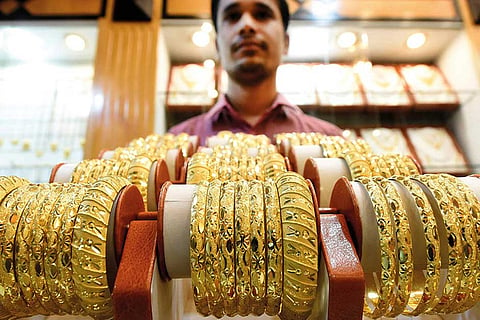
Dubai: Gold prices in Dubai eased on Friday from Thursday’s closing levels, giving shoppers a slightly cheaper entry point, as global bullion prices steadied after a sharp rally and markets awaited key US jobs data for clues on whether the Federal Reserve will raise interest rates this month.
The Dubai price of 24K gold stood at Dh539.25 per gram on Friday, down from Thursday’s closing price of Dh542. The 22K rate was Dh499.25 per gram, compared with Dh502 previously.
International gold was trading at around $4,467.49 an ounce, down 0.57 per cent in the latest pricing, after prices jumped about 2 per cent on Thursday.
For UAE gold buyers, however, Friday’s dip comes against a backdrop of a still-elevated bullion market.
Gold remains sensitive to expectations around US interest rates, the dollar and geopolitical uncertainty, making the next few trading sessions particularly important for anyone considering a purchase.
US jobs report in focus
Markets are waiting for the US nonfarm payrolls report, due later on Friday, for a clearer indication of the Federal Reserve’s next move.
The data has taken on greater importance after Fed Governor Christopher Waller said he would support leaving US interest rates unchanged at the September meeting if inflation continues to moderate.
Traders have subsequently reduced their expectations of a rate hike this month to around 50 per cent, from about 70 per cent earlier in the week.
Lower interest rates are generally supportive for gold because bullion does not pay interest. When rates are higher, investors can have a greater incentive to hold interest-bearing assets instead.
“Weak figures and a rise in unemployment could weaken the case for a rate hike. In this case, gold could recover,” said Ross Maxwell, global strategy operations lead at VT Markets told Reuters.
However, Maxwell cautioned that the metal could remain exposed to shifts in market sentiment, particularly with US inflation data also due next week.
“The market continues to benefit from central bank demand, which could limit the extent of any decline,” he said.
Gold’s latest move follows a strong rally on Thursday after Waller’s comments reduced the perceived likelihood of an immediate US rate increase.
Bloomberg reported that spot bullion was trading around $4,480 an ounce and was heading for a modest weekly gain after a sharp fall earlier in the week.
Waller said his decision would be “heavily influenced” by August inflation data due next week. He indicated he was leaning towards holding rates if inflation continued to show signs of easing, while keeping open the possibility of a hike if inflation came in hotter than expected.
The dollar has also been a factor. Bloomberg reported that the US currency fell to its lowest level since May, making gold relatively more attractive to buyers using other currencies.
India prices move higher
While Dubai prices moved lower from Thursday’s close, gold prices in India moved in the opposite direction.
The 24K rate in India rose to ₹15,665 per gram, or ₹156,650 per 10 grams, from ₹15,535 per gram, or ₹155,350 per 10 grams previously.
The 22K rate increased to ₹14,360 per gram, or ₹143,600 per 10 grams, compared with ₹14,240 per gram, or ₹142,400 previously.
A weaker-than-expected US jobs report could reduce pressure on the Fed to raise rates, potentially supporting gold. A stronger employment reading could have the opposite effect by reinforcing expectations that the central bank may need to keep monetary policy tighter.
Investors are also looking ahead to next week’s US inflation figures, which Waller has identified as an important factor in his September rate decision.
Gold is also continuing to receive support from central-bank demand, according to Maxwell, which could help limit the downside even if prices come under pressure following economic data.
For Dubai jewellery shoppers, that means today’s small decline does not necessarily signal a sustained fall. The next major price moves are likely to depend on how markets interpret the US jobs and inflation data and what those numbers mean for the Federal Reserve’s interest-rate path.


