St. Kitts and Nevis reaches agreement with EU, CBI wind-down in 2030
Prime Minister Dr Terrance Drew announces development following extensive negotiations
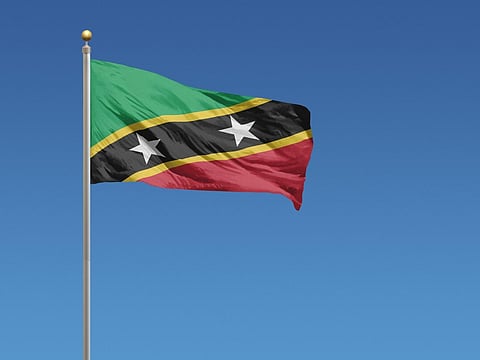
St. Kitts and Nevis has secured an extended timeline from the European Union (EU) to wind down its Citizenship by Investment (CBI) Programme responsibly. Prime Minister Dr Terrance Drew announced the development following extensive negotiations and nearly four years of comprehensive programme reforms.
While the European Union had sought to end Caribbean citizenship by investment programmes by 2028, St. Kitts and Nevis has negotiated an extended timeline until 1 January 2030, reflecting the Federation’s longstanding partnership with the European Union and the confidence earned through sustained reform efforts since 2022.
Under the negotiated agreement, the Citizenship by Investment Unit (CIU) will continue to accept new applications until 31 January 2029. Applications submitted before 1 February 2029 may continue to be processed until 31 December 2029, by which date all processing will be concluded.
Throughout the transition period, the Programme will continue to operate under the most stringent standards in its history, with no reduction in pricing, minimum investment thresholds or due diligence requirements. All safeguards agreed with the European Union will remain fully in place, with the Eastern Caribbean Citizenship by Investment Regulatory Authority (ECCIRA) monitoring compliance.
Comprehensive reforms underpin extended timeline
The extended timeline comes against the backdrop of a fundamental transformation of the St. Kitts and Nevis Citizenship by Investment Programme since December 2022.
Over the past four years, the Federation has raised minimum investment thresholds, strengthened its multi-layered due diligence framework, introduced mandatory applicant interviews and implemented stringent measures against underselling and other non-compliant practices.
In October 2024, the Citizenship by Investment Unit commenced operations as a statutory body, strengthening its institutional governance, operational independence and accountability.
The Unit has since modernised its application processing infrastructure and introduced dedicated post-citizenship monitoring mechanisms, extending regulatory oversight beyond the initial granting of citizenship.
The Federation has also introduced the National Biometric Enrolment and Passport Modernisation initiative, integrating biometric enrolment with passport issuance to strengthen identity verification, document security and the long-term integrity of its citizenship.
Alongside its domestic reforms, St. Kitts and Nevis has played an active role in advancing common regulatory standards across the Eastern Caribbean.
These reforms, together with the Federation’s longstanding and constructive engagement with the European Union, have laid the foundation for the favourable outcome of the negotiations.
Continued cooperation and the Sustainable Island State Agenda
The extended timeline reflects a relationship built on mutual trust, sustained dialogue and a shared commitment to international security and regulatory cooperation.
As outlined by Prime Minister Dr. Terrance Drew, the European Commission has expressed its readiness to continue working closely with St. Kitts and Nevis throughout the transition, including supporting the Federation’s economic diversification efforts.
The negotiated timeline complements the Federation’s Sustainable Island State Agenda, a long-term national development strategy centred on economic diversification, renewable energy, food security, climate resilience and sustainable growth.
With more than three years to manage the transition, St. Kitts and Nevis is well positioned to advance these national priorities while ensuring continuity and stability in administering its Citizenship by Investment Programme.
The Citizenship by Investment Unit remains committed to maintaining the highest standards of programme administration, safeguarding the interests of existing and prospective citizens, and preserving the integrity, credibility and international standing of St. Kitts and Nevis citizenship.


