UAE Central Bank clarifies Nafis support not guaranteed income for loan eligibility
Banks may consider Nafis support on case-by-case basis, but only within strict rules

Dubai: The Central Bank of the UAE (CBUAE) has reaffirmed that financial support provided under the Nafis programme cannot be treated as guaranteed, long-term fixed income when assessing eligibility for personal loans. The clarification came in response to rising concerns that some Emiratis benefiting from Nafis face difficulties securing financing from banks.
Mohamed bin Hadi Al Hussaini, Minister of State for Financial Affairs, said Nafis incentives were designed as government support to encourage citizens to work in the private sector, but they do not fully meet the requirement of consistency and continuity set out in article No.2 of the personal loans regulation. He noted that banks may consider Nafis as part of a broader credit assessment, depending on their internal risk policies, provided this does not conflict with the Central Bank’s supervisory requirements on defining regular income, calculating debt-burden ratios and ensuring responsible lending.
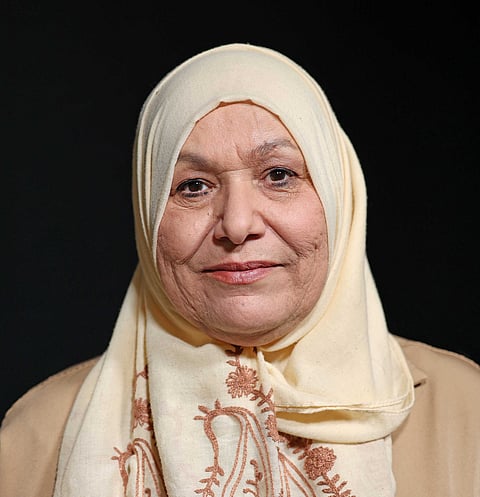
Al Hussaini was responding to a question raised by Federal National Council member Sheikha Saeed Al Kaabi during Tuesday’s session about the challenges some Nafis beneficiaries face when applying for loans.
The minister outlined that the Central Bank issued the personal loans framework in 2011 to regulate the relationship between banks and individual customers, strengthen transparency, and ensure responsible financing through clear rules on loan limits, repayment periods and monthly instalments relative to income.
He said the regulation defines a personal loan as one repaid from salary, end-of-service benefits or any other regular and verifiable income from a reliable source. Any income relied upon by banks must therefore be stable, consistent and likely to continue throughout the loan period.
Al Kaabi said many lenders consider Nafis support temporary and therefore exclude it from credit assessments, which negatively affects the creditworthiness of eligible applicants. This situation, she said, prevents many Emiratis in the private sector from obtaining the financing they need to develop their projects or improve their living standards, despite meeting Nafis requirements and working to achieve career stability.
She noted that bank financing for citizens enrolled in Nafis remains limited compared with government employees, due to strict adherence to the 50 per cent debt-burden ratio and the requirement for a stable, long-term income from an approved employer. In the case of Nafis beneficiaries, income is split into two components, a private-sector salary and temporary financial support, the latter of which is often excluded by lenders.
Al Kaabi called for regulatory intervention to ensure fair access to financing, suggesting that the Central Bank instruct banks to treat Nafis support as sustainable income during the period of eligibility, with credit weighting based on the duration of support. She said additional solutions could include formal mechanisms to classify Nafis as verifiable income, adjusting debt-burden ratios for government-supported categories, or introducing a loan-guarantee programme for beneficiaries.
These steps, she said, are necessary to ensure the full impact of Nafis, promote social and economic stability and support the UAE’s wider Emiratisation objectives.