First phase of UAE digital dirham to be free for users
New digital currency aims to speed up payments at no cost
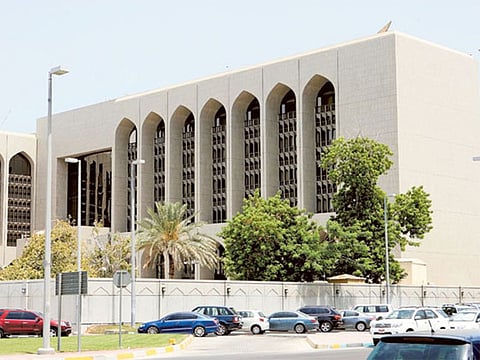
Dubai: The Central Bank of the UAE has announced that the first phase of the digital dirham will soon be launched, in a significant shift in the country’s financial landscape.
According to the bank, the digital currency will enable real-time settlements and will help facilitate the flow of funds and payments, while expanding access to digital services.
The initiative will be offered free of charge to individuals as well as small and medium-sized enterprises (SMEs). The bank confirmed that users will be able to benefit from this service in handling their financial transactions.
What is Digital Dirham?
The Digital Dirham is a central bank digital currency, or CBDC, which means it represents a direct liability of the CBUAE rather than a commercial bank. It is fully fungible with physical dirham cash and bank deposits, and is designed as a non‑interest‑bearing instrument so that it is used primarily as a means of payment rather than a savings product
In technical terms, it is built on a secure distributed‑ledger or blockchain‑style infrastructure, enabling instant, atomic settlement of transactions with high levels of security and data protection. This architecture is meant to reduce payment costs, lower counterparty risk and support new forms of digital financial services.
The CBUAE has been studying and piloting a digital dirham since at least 2019, starting with exploratory work on cross‑border and wholesale CBDC use cases. A major milestone came with Project mBridge, a multi‑central‑bank platform developed with the BIS Innovation Hub and authorities in Hong Kong, Thailand and mainland China, where the UAE used the Digital Dirham for real‑value cross‑border payments at minimum viable product stage.
In January 2024, the central bank issued the first Digital Dirham as legal tender on its issuance platform and used it to initiate a cross‑border payment on the mBridge MVP, a step that demonstrated live settlement using the UAE’s CBDC. In parallel, the CBUAE ran a retail pilot, testing real‑value use cases in the domestic economy to evaluate technology, design options and user experience.


