BP may seek to avoid contractual responsibility for rig disaster
Company's contract protects it from penalties and liabilities
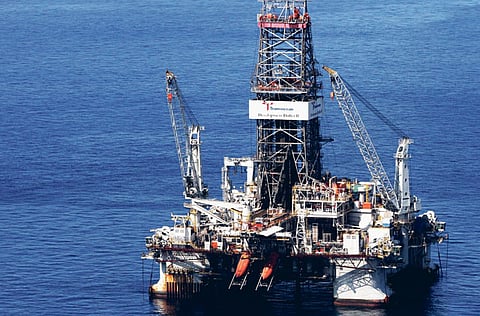
New York: Trans-ocean, the owner of the Gulf of Mexico drilling rig destroyed in a blast that triggered the worst accidental oil spill, said operator BP may seek to avoid its full contractual responsibility for the disaster.
Transocean, which leased the Deepwater Horizon to BP, said in a regulatory filing that the company's contract protects it from penalties and liabilities other than for contamination resulting from operations controlled by the rig owner on or above the surface of the water.
In response to a request from Transocean to be indemnified against other claims, BP "has asserted that the facts are not sufficiently developed to determine who is responsible," according to the filing to the US Securities and Exchange Commission on Thursday. "We believe this reservation of rights is without justification."
BP said in an emailed statement Thursday that it disagrees with Transocean's characterisation of responsibilities and obligations under the drilling contract. The indemnity issues under the contract are intertwined with the ongoing investigations into the cause of the disaster, BP said.
"BP believes the combination of uncovered facts and the applicable law may show that Transocean is not entitled to indemnification under the contract," according to the statement.
Transocean on Thursday reported an 11 per cent drop in second quarter profit because of a decline in rig demand and increased expenses related to BP's crippled Macondo well. The median estimate of the total cost of the disaster is $33 billion, a Bloomberg survey of 11 analysts showed last month.
"Given the potential amounts involved, the operator may seek to avoid its indemnification obligation," Geneva-based Transocean said.
Transocean said it agreed under its contract not to hold BP responsible for claims related to potential cost liabilities connected to the death and injury of Transocean workers and for damages related to its rig and equipment.
Eleven workers were killed in the April 20 explosion and subsequent sinking of the Deepwater Horizon at the Macondo well in 1,524 metres of water, about 64 km from the Louisiana coast.
Transocean now expects the loss of its rig to increase 2010 operating costs by $180 million net of expected insurance recoveries, Chief Financial Officer Ricardo Rosa said yesterday during a conference call with investors. The company projected those costs to be about $200 million in May.
The US moratorium on deep-water drilling in the Gulf of Mexico is expected to cut revenue by about $165 million this year, Rosa said. Drilling-contract revenue will be reduced by about $130 million from the loss of the Deepwater Horizon, Rosa said.
Transocean expects to have access to the Macondo well's blowout preventer on the seafloor by the end of this month or early September, Chief Executive Officer Steven Newman said during the call. The company wants to do "function testing" on the stack of valves before pulling it out of the water, Newman said.


