‘FIFA World Cup 2026’ group led CBI to NEET suspects
Probe claims special classes, encrypted messages helped build alleged paper leak network
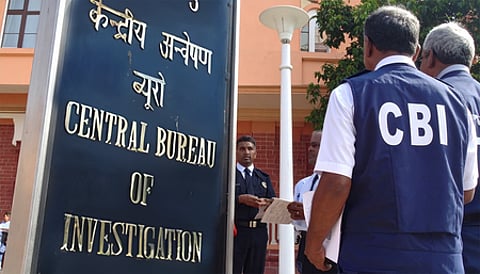
A WhatsApp group named “FIFA World Cup 2026”, allegedly created to coordinate a small group of NEET-UG aspirants receiving privileged coaching, became one of the key digital trails that helped investigators uncover the alleged NEET-UG 2026 paper leak conspiracy, according to the Central Bureau of Investigation (CBI).
The agency’s chargesheet alleges that what appeared to be an ordinary study group was, in fact, part of a months-long operation in which select candidates were allegedly coached using confidential examination questions obtained through National Testing Agency (NTA) subject experts. The details have been reported by The Print and Hindustan Times.
According to the CBI, the eight-member WhatsApp group was created in November 2025 and was used to coordinate biology classes, discuss schedules and later evaluate the examination and calculate expected marks. Investigators said the group eventually became one of the leads that linked chemistry expert P.V. Kulkarni and biology expert Manisha Gurunath Mandhare to the alleged conspiracy.
Months of coaching before the exam
The chargesheet alleges that preparations for the leak began around Diwali in October 2025, nearly seven months before the examination.
Investigators claim Pune-based intermediary Manisha Waghmare approached prospective candidates, promising exclusive online and offline coaching that would produce results. Students willing to pay for the programme were allegedly enrolled in small batches and taught by NTA-appointed subject experts.
According to the CBI, chemistry expert Kulkarni conducted online classes from October 2025 until mid-January 2026 before holding offline sessions in Pune in April this year. Biology expert Mandhare allegedly conducted classes in two phases, first between November and December 2025 and later from March to April 2026.
The agency estimates that only about 10 students across the biology and chemistry batches ultimately received the alleged coaching based on leaked questions.
Marking textbooks and dictating questions
According to the chargesheet, Mandhare allegedly instructed students attending biology classes at her Pune residence to bring new Class XI and XII NCERT Biology textbooks, mark selected paragraphs and write dictated questions in the margins.
Students were then allegedly asked to copy the questions into notebooks, which Mandhare reviewed and corrected.
During chemistry sessions held between April 25 and 27, Kulkarni allegedly supplied students with specific NEET-UG questions and answers in writing and instructed them to copy the material into their notebooks, investigators claim.
The CBI further alleges that Waghmare continued recruiting candidates until March 2026, identifying students willing to pay around Rs 400,000 for access to the confidential material while arranging revision classes.
Questions allegedly shared before exam
According to investigators, two days before the May 3 examination, Waghmare allegedly sent physics questions to one candidate over WhatsApp and sought an additional payment of Rs50,000 if those questions appeared in the examination.
The agency also alleges that at the end of the coaching programme, Waghmare collected one student’s biology notebook, which investigators believe was later used to circulate the material more widely.
Digital evidence
The CBI said WhatsApp conversations, electronic records and statements from candidates formed an important part of its investigation into the alleged conspiracy.
Besides the three NTA subject experts — chemistry expert P.V. Kulkarni, biology expert Manisha Gurunath Mandhare and physics expert Manisha Sanjay Havaldar — the chargesheet also names Pune coaching faculty member Tejas Harshadkumar Shah, Latur-based doctor Manoj Shirure, coaching operator Shivraj Motegaonkar and intermediary Manisha Waghmare among the accused.
According to the agency, the chargesheet runs to nearly 20,000 pages and is supported by 360 witnesses, 422 documents and 43 material exhibits. The accused have been booked under provisions of the Bharatiya Nyaya Sanhita, the Prevention of Corruption Act and the Public Examinations (Prevention of Unfair Means) Act, 2024.


