South Africa COVID-19 cases exceed 1,000, first two deaths reported
21-day lockdown comes into force in Africa’s most industrialised economy
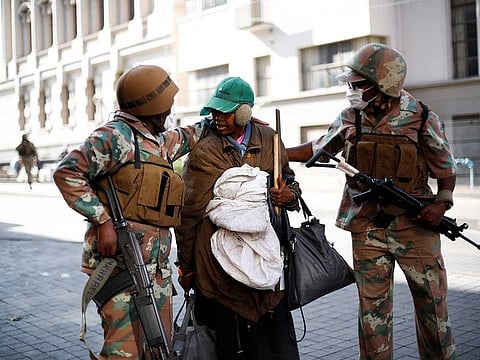
Johannesburg: Cases of coronavirus in South Africa passed 1,000 on Friday, the health ministry said, while also reporting its first two deaths on the first day of a three-week, nationwide lockdown.
South African President Cyril Ramaphosa announced the lockdown, which saw Africa’s most industrialised economy largely shudder to a halt overnight, earlier this week.
“This morning, we South Africans wake up with sad news that we now have our first deaths resulting from COVID-19,” the health ministry said in a statement, adding cases had risen to more than 1,000, from 927 on Thursday.
Both deaths had occurred in the southernmost province of Western Cape, with one in a public hospital and the other in a private hospital, the statement read.
The 21-day lockdown came into force at midnight on Thursday, and largely confines people to their homes aside from specific purposes like buying food or for health emergencies.
However, local media on Friday morning showed pictures of bustling streets and long queues outside supermarkets in poor townships - where cramped, squalid conditions make social distancing near impossible, and mean the virus could spread quickly among people reliant on an ailing public health system.


