Photos show rescue efforts across earthquake-ravaged Venezuela
Desperate search continues as aid arrives in quake-shattered Venezuelan communities
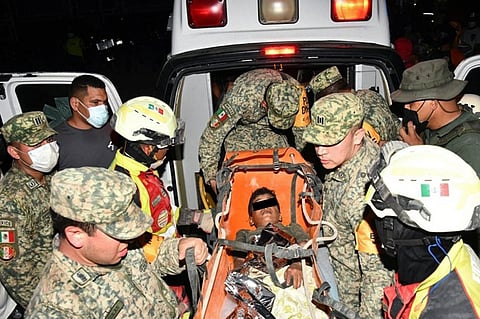
Rescue teams, soldiers and thousands of volunteers continued searching for survivors across northern Venezuela on Sunday and into Monday as crews raced against the clock after the country's deadliest earthquake in more than a century, with hopes fading but isolated rescues still offering moments of optimism.
Photos from the disaster zone showed emergency workers using heavy machinery, sniffer dogs and hand tools to dig through collapsed apartment blocks, while relatives waited anxiously beside mountains of concrete for news of missing loved ones.
Others formed human chains to remove debris, distributed food and water, and sheltered families forced from damaged homes.
The twin earthquakes, measuring magnitude 7.2 and 7.5, struck Venezuela's Caribbean coast four days ago, devastating La Guaira and parts of Caracas.
Authorities say more than 1,400 people have died, over 3,100 have been injured, and thousands remain missing or unaccounted for as aftershocks continue to hamper rescue operations. Hundreds of buildings have collapsed or suffered severe structural damage.
Despite the grim toll, rescue efforts have produced moments of hope.
Emergency responders have freed children and entire families trapped beneath collapsed buildings, prompting emotional reunions and renewed determination among crews working around the clock.
International assistance has expanded rapidly. More than 2,600 foreign search-and-rescue personnel have joined Venezuelan emergency crews, bringing specialised equipment, rescue dogs and field medical teams.
Officials say dozens of survivors have been pulled alive from the rubble since the disaster, though the likelihood of additional rescues diminishes as the critical 72-hour survival window passes.
Volunteers have also stepped in where official resources have been stretched, delivering meals, water and emergency supplies to displaced residents.
Authorities have restricted access to some of the hardest-hit neighbourhoods to allow heavy equipment to operate safely while engineers inspect damaged buildings for structural stability.
Schools in affected areas remain closed, and temporary shelters continue to receive families unable to return home.
Power outages, damaged roads and disrupted communications have complicated relief efforts, raising concerns that recovery could take months or even years.
The catastrophe is among Venezuela's worst natural disasters in decades and has triggered an international humanitarian response as rescue teams continue their search for survivors while preparing for the long task of rebuilding shattered communities.


