Take time to discover the UAE
Dubai may always be in the spotlight, but this year why not get to know its equally interesting neighbours
For most people, the UAE means just one place — Dubai. But head out of Dubai and there are six other emirates to explore, each determined to establish itself as different from the others. The UAE is a multifaceted region, knowing only about Dubai is getting only one side of the story.
Abu Dhabi
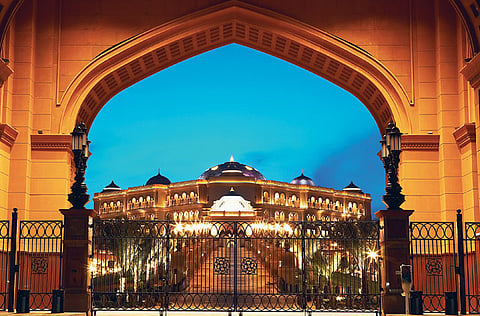
This is an emirate with the most expensive hotel ever built — the Emirates Palace. The city also has a charming heritage centre, with exhibits on traditional Arab life and small shops where metalworkers, carpenters and jewellers sell their wares.
Abu Dhabi’s second city, Al Ain, is an oasis in the heart of the desert. A good road leads to the top of the nearby mountain of Jebel Hafeet, from where visitors can enjoy panoramic views.
Back in Al Ain, see if you can gain access to the oases. These are the city’s allotments, where a variety of fruits and vegetables are grown. The largest is the Al Ain oasis: A long road snakes beneath date palms, with a small mosque at the centre.
The sight of fruits and vegetables amid lushvegetation seems surreal when you realise you are surrounded by desert. The Yas Island is home to an F1 track while Saadiyat Island is set to be the new cultural centre of the region, with a seaside golf course, a first for the region.
Fujairah
The youngest emirate — it gained independence from Sharjah in 1952 — Fujairah is separated from its neighbours by the Hajar Mountains and is the only emirate that does not have access to the Arabian Gulf. But the beaches of its coast on the Gulf of Oman have become home to a clutch of hotels and resorts, offering the best snorkelling and scuba diving in the region.
The Fujairah Rotana is ideal for families. The emirate shares its northern border with the Omani exclave of Musandam, the mountains of which offer great off-roading options. If you are staying in Fujairah,a trip to the Friday Market is a must.
It is on every day of the week, unlike what its name suggests. Fruit and vegetable stalls line the roads, along with antiques stalls. There is also a plant and garden section near the back. This is an interesting locals' market — lively and colourful. The other main site of interest is the Al Bidya Mosque, the oldest in the UAE.
Sharjah
Tourism in Sharjah is family- oriented and the emirate has created 17 museums till today. All tours start at the Cultural Roundabout, where there are mock-Renaissance buildings housing museums.
The best of the lot is the Sharjah Art Museum, the largest art gallery in the Gulf, with Arab and Orientalist art on display.Apart from preserving the culture of the region, officials are also keen on preserving the area’s past.
A collection of old buildings house yet more museums; there’s also an impressive fort. An old house, lovingly preserved, gives an insight into how Arabs lived before the arrival of the high-rise.
Sharjah’s heritage centre lies on the north side of the corniche and, opposite it, dhows from Iran bob on the harbour, as they have done for hundreds of years.
They used to unload their wares and sell them right there on the seafront. The souq has now been moved to a two-storey building in the heart of the town, which is a great place to shop for souvenirs.
Sharjah is also the place to visit if you want to get a glimpse of authentic Arab life. Head to the beach but don’t be surprised to see no one swimming. It is a place to hang out and picnic with family and friends. As for the attire, shorts and Tshirts are fine.
Ras Al Khaimah
Tucked away in the north of the peninsula, Ras Al Khaimah was once a small fishing community and the remains of a village can still be explored.
Most of the emirate resembles a building site, as this tiny, northernmost emirate gears up for tourism. But if you want guaranteed sun without the bling of Dubai or fancy a twin centre holiday, there are a couple of excellent fly-and-flop options.
The Cove Rotana is a village-style development, nicely landscaped with rooms on small “streets” overlooking the sea. There are swankier villas by the shore and the beach is stunning, making it one of the best family options.
Ras Al Khaimah also has the first Banyan Tree hotel in the peninsula. Hidden away in Wadi Khadeja amid desert 20 minutes from Ras Al Khaimah city, it opens this month, with stunning private villas around the dunes. Every villa has a private pool and a spa.
Ajman and Umm Al Quwain
These are the two smallest emirates. Ajman’s biggest claim to fame is the lovely white sand beach that lies within the confines of the Kempinski Hotel (www.kempinski.com/ajman).
If all you want is to lie on a palmfringed beach, this is as good a place as any. The nearby Ajman Fort has been converted into an interesting museum, with exhibits on Arab life. Umm Al Quwain is also worth a visit.


