Techie Tonic: Cybersecurity lessons from Ayurveda — prevention is key
Ancient health principles offer a fresh perspective on spotting scams and protecting data
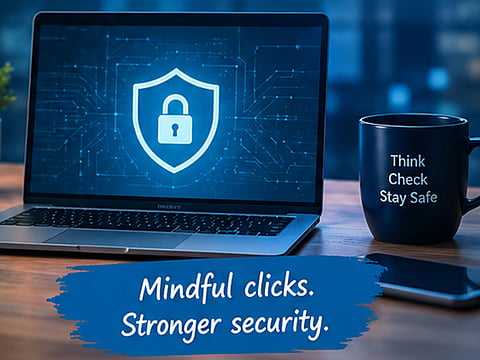
Ancient wisdom offers a surprisingly relevant lesson for the digital age: pay attention to what you consume, recognise warning signs, and act before a small problem becomes a serious one.
In our daily lives, we often hear simple advice about maintaining good health: watch what you eat, pay attention to your body's signals, and do not ignore unusual changes. Traditional health practices, including Ayurveda, emphasise mindful eating and awareness of bodily functions as part of maintaining well-being.
Interestingly, the same principle can be applied to another area of modern life that affects almost everyone: cybersecurity.
Get updated faster and for FREE: Download the Gulf News app now - simply click here.
Just as our food choices influence our physical health, our digital choices influence our online safety. And just as unusual changes in our bodies may signal a health concern, unexpected activity on our phones, computers, email accounts or bank accounts may indicate a cybersecurity problem.
The connection is simple, yet powerful: awareness is often the first line of defence.
Watch What You Consume
The advice to watch your plate encourages us to think carefully about what we put into our bodies. Are we eating nutritious food? Are we consuming too much sugar or processed food? Are our daily habits supporting our health?
In the digital world, the equivalent question is: What are we allowing into our devices and online lives?
Every day, people receive emails, text messages, social media invitations, website links, QR codes and file attachments. Some are genuine, while others are designed to deceive.
A message claiming that a bank account will be blocked, a parcel cannot be delivered, or a prize is waiting to be claimed may tempt someone to click without thinking. Cybercriminals exploit precisely this moment of distraction, curiosity or fear.
The digital equivalent of mindful eating is to pause before clicking. Check the sender's address, question unexpected requests, avoid suspicious links and download applications only from trusted sources. Never share passwords or one-time passwords (OTPs) in response to unsolicited messages.
A single careless click can sometimes expose personal information, compromise an account or lead to financial loss.
Observe the Warning Signs
Another traditional health principle encourages people to pay attention to changes in their bodily functions. Such observations do not replace professional medical advice, but they can help people recognise when something deserves attention.
Cybersecurity also requires observation.
Imagine receiving a bank notification about a transaction you did not make. Perhaps your email account shows a login from an unfamiliar location, your phone displays unexpected security alerts, or your computer suddenly behaves differently.
These signs do not automatically mean that a cyberattack has occurred. However, they should never be ignored.
Check account activity regularly, enable transaction alerts, use multifactor authentication and install security updates promptly. If an unfamiliar transaction appears, contact your bank immediately through its official channels. If an account may have been compromised, secure it using a trusted device, change the affected password and review active sessions.
The important lesson is to recognise unusual activity early rather than wait until the damage becomes obvious.
Prevention Is Better Than Recovery
In healthcare, prevention can reduce the risk of illness and improve long-term well-being. In cybersecurity, preventive habits can similarly reduce the likelihood and impact of an attack.
Use a unique password for every important account, preferably with the help of a reputable password manager. Keep devices and applications updated. Back up important files. Limit the personal information shared publicly on social media, and verify requests for money or confidential information—even when they appear to come from friends, relatives or senior colleagues.
Families should discuss online scams openly, particularly with children and older adults, who may face different forms of digital risk. Businesses should complement employee awareness with access controls, monitoring, incident-response plans and regular security training.
No single precaution guarantees complete protection. Together, however, these measures create stronger digital habits and make attacks more difficult to carry out successfully.
A Healthier Digital Society Starts With Awareness
Cybersecurity is no longer solely the responsibility of IT professionals. It is a shared responsibility for anyone who uses a smartphone, shops online, accesses digital banking or communicates through the internet.
The comparison between health and cybersecurity offers a memorable public-awareness message that "be conscious of what you consume, pay attention to warning signs, and take timely action".
Just as we cannot expect good health while ignoring our daily habits, we cannot expect digital safety while ignoring our online behaviour.
The next time you sit down for a meal, remember the importance of mindful choices. When you open your phone or computer, apply the same discipline.
Your plate influences your physical well-being. Your clicks influence your digital well-being.
Different domains, same principle: stay aware, recognise the signs and act before it is too late.


