US-Iran war: What UAE residents need to know today (July 11, 2026)
Diplomatic efforts continue as Strait of Hormuz, nuclear talks and markets remain in focus
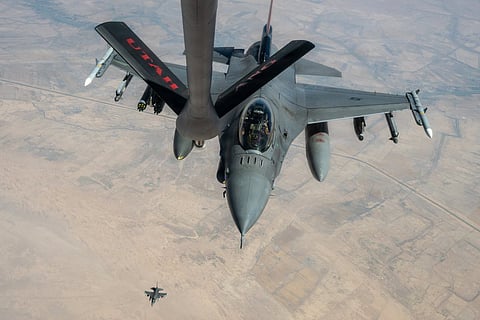
US-Iran tensions remain a key regional concern as diplomatic efforts continue to prevent further escalation following renewed exchanges between Washington and Tehran.
The developments are being closely watched in the UAE and across the Gulf, with the main concerns centred on the Strait of Hormuz, shipping security, energy markets and the future of nuclear negotiations.
Stay updated on the latest developments: Follow our live blog for real-time updates on US-Iran tensions, Strait of Hormuz security, diplomatic efforts and regional developments.
Key developments at a glance
‘Revenge must be carried out’: Iran’s Supreme Leader Mojtaba Khamenei has vowed “revenge” for the killing of his father, Ayatollah Ali Khamenei, accusing the US and Israel of responsibility. Mojtaba Khamenei said revenge was a demand of the Iranian people and warned those responsible would face consequences.
Hormuz remains a key concern: Iran’s Foreign Minister Abbas Araghchi is in Oman for talks on the Strait of Hormuz, where shipping activity has slowed after recent US-Iran strikes. Efforts are underway to restore negotiations and ensure safe passage for commercial vessels.
Trump warns Iran: US President Donald Trump threatened severe retaliation if Iran targets him, following reports of alleged assassination threats.
Tensions remain high: Iran accused the US of violating agreements and said it is ready for “all-out defence”. Trump said the ceasefire arrangement is “over”.
Talks to continue: Trump said Washington will continue negotiations with Tehran after Iran requested further discussions, but warned further action could follow if diplomacy fails.
Shipping and energy risks: The Strait of Hormuz remains the main flashpoint, with concerns over maritime security, oil supplies and global energy markets.
Regional mediation efforts: Oman, Qatar and Pakistan are working to ease tensions, while Saudi Arabia is discussing regional security and maritime stability with Washington.
Iran nuclear sites monitored: Satellite analysis suggests Iran may be repairing facilities damaged in previous strikes, raising concerns over its nuclear and missile programmes.
Markets watch developments: Oil and gold prices remain under pressure as investors assess risks from Middle East tensions and possible shipping disruptions..
Get updated faster and for FREE: Download the Gulf News app now - simply click here.
'Revenge’ pledge: Iran leader vows action
Iran’s Supreme Leader Mojtaba Khamenei has vowed “revenge” for the killing of his father, Ayatollah Ali Khamenei, accusing the US and Israel of being responsible.
In a statement carried by state-linked Fars news agency, Mojtaba Khamenei said revenge was a demand of the Iranian people and would be carried out. He warned that those responsible would face consequences, adding that the matter did not depend on his leadership or other officials.
Iran’s foreign minister in Oman
Iran’s Foreign Minister Abbas Araghchi is in Oman for talks on the Strait of Hormuz, where shipping activity has slowed after recent US-Iran strikes.
Mediators are working to restart negotiations, while Washington expects Iran to confirm that the waterway is open and commercial ships will not be targeted.
Trump issues warning
Trump warned Iran of severe retaliation if its leadership attempts to target him, following reports of alleged assassination threats.
In a post on his social media platform Truth Social, President Trump said the US military was prepared for a large-scale response if any attempt was made against him.
1000 Missiles are Locked and Loaded and aimed at the Islamic Republic of Iran, with thousands of more to immediately follow, should the Iranian Government act on its threat, pronounced in many corners of the Globe, to assassinate, or attempt to assassinate, the sitting President of the United States of America, in this case, ME!"Donald Trump
He further warned of a prolonged military response, saying, "Orders have already been given, and the US Military is ready, willing, and able, for a one-year period of time, subject to extension, to completely decimate and destroy all areas of Iran."
Trump says Iran talks will continue
Trump said Iran had requested further discussions and that Washington had agreed to continue talks aimed at ending the conflict permanently.
However, Trump said the ceasefire between the two sides was no longer in place and warned that the US could consider other options if diplomatic efforts fail.
US officials said negotiators have limited time to reach an agreement, with key issues including Iran’s nuclear programme, regional security and safe maritime passage.
Strait of Hormuz remains key concern
The Strait of Hormuz continues to be at the centre of the crisis.
The US has demanded that Iran publicly confirm the waterway is open and guarantee that commercial vessels will not be targeted.
The strategic waterway, located between Iran and Oman, is one of the world’s most important shipping routes, carrying a major share of global oil and gas shipments.
Iran has insisted that operations in the strait fall under its control and has suggested ships may need to pay fees for passage, despite the waterway being widely recognised as an international maritime route.
Diplomacy continues across the region
Regional countries are working to prevent further escalation.
Iranian Foreign Minister Abbas Araghchi is expected to travel to Oman for talks on the Strait of Hormuz and broader regional developments.
Qatar and Pakistan have also stepped up diplomatic engagement, with officials holding discussions with Iranian leaders.
Saudi Crown Prince and Prime Minister Mohammed bin Salman held talks with US President Donald Trump on regional developments, maritime security and US-Iran negotiations.
Separately, Saudi Foreign Minister Prince Faisal bin Farhan discussed regional issues with US Secretary of State Marco Rubio, with both sides stressing the importance of continued coordination.
Is Iran rebuilding its nuclear sites?
New satellite imagery analysed by CNN and the Institute for Science and International Security suggests Iran may be repairing or rebuilding nuclear and missile facilities damaged in previous US-Israeli strikes.
The images reportedly show activity at the Parchin military complex and the Taleghan 2 facility near Tehran, along with work around underground tunnels near Isfahan.
The findings have raised concerns in Washington over whether Tehran has breached commitments under a June memorandum of understanding aimed at maintaining the status quo of its nuclear programme.
How markets are responding
The ongoing tensions are also influencing global financial markets, with investors watching oil supplies, shipping routes and safe-haven assets.
Gold prices: Spot gold fell 0.4% to $4,103.23 per ounce on Friday, while US gold futures for August delivery declined 0.7% to $4,113.70 per ounce.
Oil markets: The Strait of Hormuz uncertainty has added pressure to global oil markets, although prices have not surged as sharply as expected due to weaker global demand and increased supply availability.
Global demand outlook: The International Energy Agency (IEA) expects global oil demand to record its first annual decline since the COVID-19 pandemic, citing higher prices and supply disruptions linked to the conflict.
For UAE residents, prolonged disruption in the Strait of Hormuz could affect energy markets, shipping costs and regional economic activity, while global supply and demand trends will continue to influence prices.
What UAE residents should watch
Shipping and energy: Any disruption in the Strait of Hormuz could affect oil prices, shipping costs and global trade.
Flights and travel: Residents should monitor airline updates and regional airspace advisories as the situation develops.
Diplomatic developments: Talks involving Oman, Qatar, Pakistan, Saudi Arabia and the US could determine the next phase of the crisis.
Regional security: Gulf countries continue to monitor developments as efforts continue to prevent further escalation.
Also In This Package
