Pakistan’s energy push: Prioritising energy security with UAE investments, domestic expansion
Pakistan refocuses on domestic energy to boost security and affordability
Pakistan’s energy sector has emerged as a strategic priority in recent years. Oil and gas account for around 78% of the national energy mix, with an outsized reliance on imports. That has resulted in a government push to expand domestic production and refining in order to boost energy security and support industrial growth, while at the same time developing renewable sources including hydropower, solar and wind.
Policy emphasis is on strengthening infrastructure and attracting foreign partners and investment. This includes renewed activity in domestic exploration, supported by fiscal and regulatory incentives, the upgrading of existing refineries, and targeted investment in transmission and distribution to improve reliability. Alongside this, the government is working to simplify regulatory requirements and reduce administrative burdens, with the aim of shortening approval timelines and streamlining entry into the sector.
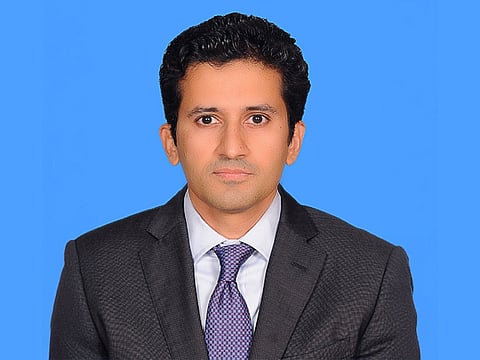
Investors in the UAE are a particular focus. “The Pakistan–UAE relationship is built on strong goodwill and close ties between leaderships,” says Federal Minister for Energy Ali Pervaiz Malik. “We are now working to convert that goodwill into structured investments,” he adds, pointing to discussions around state-owned power assets and partnerships with major Pakistani corporates such as the Fauji Foundation and Engro.
The process is being overseen by a special government committee chaired by the deputy prime minister, focused on structuring and operationalising projects. This high-level body reflects the government’s determination to harness momentum in the sector. “Investors can be confident that Pakistan is serious about stability and long-term growth,” Malik adds.
INTERVIEW
Federal Minister for Energy Ali Pervaiz Malik outlines Pakistan’s energy priorities, investment focus and engagement with UAE partners.
What is the current policy focus in Pakistan’s energy sector?
Under Prime Minister Shehbaz Sharif, there is a concerted effort to enhance Pakistan’s energy security. That means expanding domestic fuel production, moving up the value chain and ensuring the energy sector is sustainable. Our objective is to deliver energy to domestic and industrial consumers at competitive prices. The Prime Minister often says energy is like oxygen to the human body. We must ensure the sector supports sustainable and inclusive growth.
What role is the sector playing in GDP and employment growth?
The sector can be viewed across upstream, midstream and downstream segments. Progress is being made across all three. In exploration and production, we recently concluded an onshore bidding round that generated strong local and international interest. Several multinational petroleum companies have committed to investing in the search for domestic fuel sources.
We must ensure the sector supports sustainable and inclusive growth.Ali Pernaiz Malik, Federal Minister of Energy
In the midstream segment, we have developed a new refinery policy. This focuses on upgrading existing refineries and attracting new investment. By onshoring refining margins, we can save an estimated $2 to $2.5 billion in foreign exchange.
At the downstream level, there is strong foreign interest. Saudi Aramco has made a substantial investment and partnered with Gas & Oil Pakistan, with rebranding of retail outlets underway in Islamabad and other major cities. Gunvor has acquired the Total franchise in Pakistan. These investors view Pakistan as a growth market. Our role is to channel this interest and match it with viable projects.
This process is supported by the Special Investment Facilitation Council, a one-window, cross-ministerial platform that connects investors directly with projects and helps translate pledges into execution.

