Fragrance Revolution: UAE embraces scent wardrobes and gender-fluid perfumery
A new fragrance wardrobe is taking shape, driven by mood, identity and personal expression

The modern fragrance lover is becoming difficult to categorise. The same person who reaches for oud and saffron in the evening may prefer a clean musk during the day, a rich vanilla when seeking comfort and a layered combination when no existing perfume feels personal enough. Gender labels carry less authority, stronger concentrations are gaining favour and the old idea of owning one signature scent is being replaced by a collection that accommodates several versions of the self.
Across the UAE, this freedom sits within a culture where perfume already carries considerable meaning. Arabian ingredients remain prominent, while gourmands, fruits, fresh accords and skin-friendly formulations are broadening the choices available. Customers are also learning more about composition and performance, giving perfumers an audience that is curious, selective and willing to experiment.
A wardrobe of scent
The notes gaining attention reveal the breadth of current tastes. Oud, amber, musk, saffron, rose and precious woods retain their appeal, particularly in the Middle East. Alongside them are vanilla, caramel, fruits and sophisticated gourmand accords that introduce sweetness and warmth.
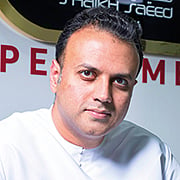
Muhammed Ali Saeed Shaikh, CEO of Shaikh Mohammed Saeed Group, sees customers moving freely between these fragrance families. “Gourmand notes such as vanilla, caramel and amber are gaining attention, while oud, saffron, musk and rich woody accords continue to have strong appeal,” he says. Fresh, clean and fruity fragrances are also becoming popular among people seeking comfortable daytime options.
Akbar Mun, founder of Emper Perfumes, describes the current appetite as a search for heritage and discovery. Familiar regional ingredients are being reworked with fruits and gourmands, allowing customers to retain a connection to notes they know while experiencing them differently. “Fragrance is no longer a signature, but a wardrobe of emotions for moods and seasons,” he says.

Azhar Akbar Mun, Director of Beauty and Perfume International, also sees established ingredients coexisting with unexpected accords. “Timeless staples like oud, amber, musk and precious woods now seamlessly coexist with sophisticated gourmands and unexpected accords,” he says. Wearers are assembling collections around different seasons, occasions and states of mind.
This change extends beyond the notes themselves. Nabeel Adam Ali, CEO and Director of Swiss Arabian Perfumes Group, expects the idea of the fragrance wardrobe to become more established. “Rather than having one signature scent, consumers will build fragrance wardrobes around different moods, occasions and identities,” he says.
Beyond the label
Gender-fluid perfumery follows the same desire for greater freedom. Customers are increasingly choosing according to emotion, character and personal taste, paying less attention to whether a fragrance is marketed towards men or women.

“Consumers today see fragrance as a form of self-expression rather than something defined by traditional rules,” says Ali. The fragrance itself, its development on the skin and the response it creates now matter more than the category printed on its packaging.
Mohammed Mahtabur Rahman, Chairman and Managing Director of Al Haramain Perfumes, has observed a similar change. “We are seeing people move beyond traditional gender classifications and choose fragrance according to character, mood and personal taste,” he says. Customers feel more confident following their own preferences and are increasingly prepared to explore compositions outside their usual choices.

Mustafa Firoz, Managing Director and head of My Perfumes Group, connects this freedom to a wider exchange of cultural influences. Greater global connectivity has made consumers more receptive to fragrance practices and ingredients from other regions. “Fragrance, as a cultural expression, is becoming more diverse, more eclectic and ultimately more interesting,” he says.
The UAE occupies a distinctive place within this exchange. Its market brings Arabian perfumery into daily contact with international tastes, encouraging brands to create compositions that feel rooted in the region and relevant to a diverse audience.
“The UAE is a highly diverse and sophisticated fragrance market, bringing together traditional Arabian perfumery with global trends,” says Shaikh. This encourages perfumers to combine oud, rose, musk and amber with contemporary florals, fruits and gourmand notes. Longevity, presentation and a memorable fragrance experience remain important, alongside innovation and individuality.
The art of layering
Layering has become one of the clearest expressions of the desire for a personal scent. The practice allows two people using the same perfumes to produce different results, depending on the combination, application and way each fragrance develops on the skin.
Firoz describes it as one of the most significant contributions by the Middle East to contemporary fragrance culture. “Layering allows consumers to create a scent that is uniquely their own,” he says. As the practice travels across markets, customers are interpreting it in new ways and combining fragrances with fewer concerns about established rules.
Azhar Akbar Mun calls layering a long-cherished Middle Eastern art that gives the wearer creative control. “Scent layering allows wearers to achieve true personal alchemy,” he says. Richer concentrations and fluid compositions extend that freedom by offering more depth and allowing people to choose according to instinct.
For Rahman, layering reflects the increasingly personal nature of fragrance. “Consumers are increasingly interested in creating combinations that feel individual to them, which explains the growing appeal of layering,” he says. A finished perfume becomes a starting point that can be softened, deepened or altered through another scent.
Akbar Mun sees the same practice as part of a wider change in the way perfume communicates identity. “Fragrance is becoming a language of individuality, layered, fluid and personal,” he says. Its roots in Middle Eastern culture give the trend particular relevance in the UAE, even as it finds a growing global audience.
A longer daily ritual

Layering is also moving beyond the combination of two perfumes. Evarist Rego, Director of Strategy and Business Development at Sterling Perfumes Industries, sees scent becoming part of a self-care routine that begins in the shower and continues through lotions, oils, mists and fragrance.
“We are seeing the emergence of a five-step scent ritual,” he says. Instead of applying perfume as a final gesture before leaving home, customers can build fragrance gradually across several products. The process makes the experience more personal and can help the scent remain present throughout the day.
For Rego, this development connects perfume with mood, identity and wellbeing. “Scent will also be chosen for how it feels, not just how it smells,” he says. People may seek comfort, calm or confidence from fragrance, bringing it closer to the wider language of wellness and personal care.
This changing routine also creates space for non-alcoholic and skin-friendly products. Rego expects shoppers to become more attentive to labels and ingredients as their knowledge grows. He positions Hamidi, a non-alcoholic wellness and beauty brand made in the UAE, within the movement towards daily scent rituals and more informed choices.
More depth and staying power
Stronger concentrations are gaining popularity as customers become more knowledgeable about performance. Extraits, perfume oils and concentrated formulations appeal to those seeking greater depth, character and longevity.
At Al Haramain Perfumes, Rahman has noticed customers becoming more conscious of how a perfume develops on their skin. Their interest extends beyond the opening spray to the scent that remains several hours later. Richer compositions can provide the progression and lasting presence they expect.
Shaikh also sees growing demand for concentrated formats. “Consumers are exploring extrait and concentrated formats that deliver longer-lasting performance,” he says. This attention to staying power exists alongside a desire for perfumes that remain versatile enough for different parts of the day.
Ali connects the demand for stronger concentrations to greater knowledge. Customers who understand more about perfumery are increasingly able to assess depth, quality and longevity for themselves. Their choices are becoming more deliberate, and many want to know what gives a fragrance its character.
Firoz believes this expanding knowledge has been supported by the growth of Middle Eastern perfumery. “Greater access naturally creates greater curiosity, experimentation and knowledge,” he says. As people encounter a wider range of fragrances, they become more adventurous and discerning in what they buy.
The next chapter
The future of perfume may be shaped as much by information as by ingredients. Customers are expected to ask more questions about composition, craftsmanship, provenance and the effect of fragrance products on their skin.
“I believe perfume will become even more connected to identity and personal experience,” says Rahman. For established fragrance houses, this creates an opportunity to preserve traditional knowledge while responding to consumers who want greater individuality and transparency.
Ali also expects the story behind a fragrance to acquire more importance. “We expect greater curiosity around ingredients, craftsmanship and provenance, making the story behind a fragrance as important as the scent itself,” he says.
Technology will change the way customers discover and explore perfume, particularly as digital tools become more sophisticated. Azhar Akbar Mun believes clients will also build collections around meaningful periods of their lives. “Clients will curate sophisticated scent collections to capture specific life chapters, from travel to legacy milestones,” he says.
Akbar Mun similarly imagines fragrance becoming increasingly experiential. “The future of fragrance will be experiential, an olfactory wardrobe of moods, memories and moments,” he says. Technology may influence discovery, though emotional association will continue to determine which perfumes remain significant.
Rego expects education to reshape the routine surrounding perfume. “Shoppers are already learning to read labels, and they will soon ask what is in their fragrance and how it treats their skin,” he says. Skin-friendly formulas and non-alcoholic ranges could consequently become a wider expectation.


