Oil climbs as US-Iran strikes in Hormuz raise supply fears — Brent near $98, Murban jumps to $110.80
Strikes on Iranian tankers and Hormuz risks drive fresh risk premium into oil
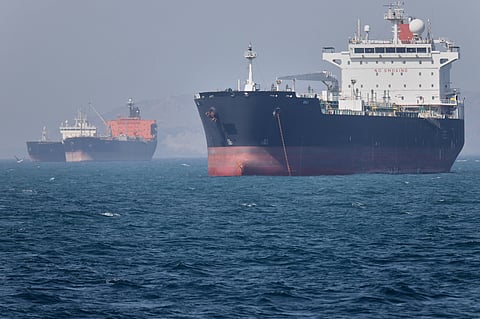
Oil prices rose sharply early Wednesday as renewed U.S.-Iran hostilities threatened to widen across the Gulf and disrupt tanker traffic through the Strait of Hormuz.
As of 8:28 am Tokyo on Wednesday, Sept. 9, 2026, the market board showed: WTI crude at $94.33, up 1.40%, Brent crude at $97.92, or 0.95% higher, while Murban crude spiked 3.75% to $110.80, a $4.00 jump.
The latest prices put Brent near the six-week high reached in the previous session.
Energy industry trackers reported that Brent settled at $97.92 a barrel on Tuesday, up 92 cents, while WTI settled at $93.03, up $1.55, as traders assessed the risk of a prolonged Middle East conflict and supply disruptions.
Get it: Fast, verified news for FREE ... download the Gulf News app — simply click here
US strikes five Iranian tankers
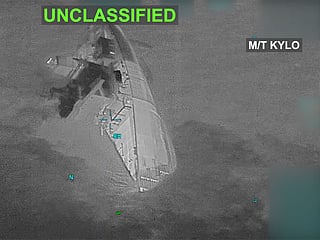
The immediate trigger for the latest risk premium was the US military’s reported destruction of five Iranian crude carriers.
US Central Command said the strikes were carried out after Iran’s Islamic Revolutionary Guard Corps attempted to attack a US Navy warship with ballistic missiles twice over two days.
The Iran-linked oil carriers identified by CentCom were the M/T Kaviz, M/T Charminar, M/T Horizon 1 and M/T Riesco in the Gulf of Oman, and the M/T Derya near Kharg Island, according to reports citing the command.
The action targets Iran’s oil-export capacity at a particularly sensitive point. Kharg Island is a major Iranian crude-export hub, while the Gulf of Oman provides access to the Strait of Hormuz and the wider global shipping network.
US officials have described the strikes as retaliatory, but the operation also intensifies the economic pressure on Tehran by threatening the vessels and infrastructure that support its oil revenue.
Reports said the United States had disabled or destroyed additional Iranian tankers over the preceding week.
Iran warns tankers near Bahrain, Kuwait
Iran responded with a direct warning to commercial shipping.
The IRGC Navy told crews aboard oil tankers near ports in Bahrain and Kuwait to leave their vessels immediately, whether the ships were anchored or docked.
The warning said the tankers could be targeted in retaliation for US attacks on Iranian oil carriers.
Iran accused Bahrain and Kuwait of hosting US forces and assisting Washington’s military operations.
The warning extends the confrontation beyond Iranian tankers and US naval assets to commercial vessels located in ports associated with the American military presence.
That raises the risk that insurers, shipowners and crews could treat Gulf ports as unsafe even without a confirmed attack on a commercial tanker.
A sustained reduction in vessel traffic would increase the shipping and security premium embedded in crude prices.
Hormuz remains the key risk
The Strait of Hormuz is central to the market reaction because any attacks, restrictions or threats against vessels there could delay or reduce the flow of crude and refined products from the Persian Gulf.
Brent’s move toward $98 a barrel reflects concern that the fighting could become a broader campaign against energy infrastructure and shipping.
Reuters said prices reached a six-week high after attacks linked to the conflict threatened Saudi energy facilities and heightened fears of a prolonged disruption.