If talks fail, 'Russia will achieve liberation of its historical lands through military means': Putin
Diplomatic efforts meet stark setback — Europe eyes frozen Russian funds to back Ukraine
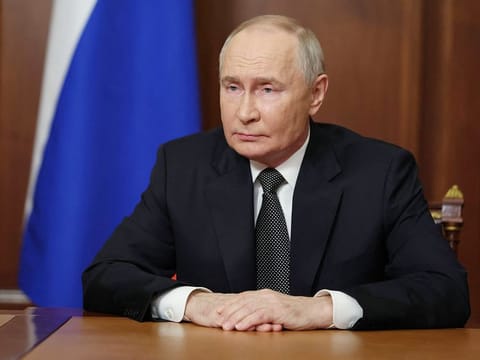
In a stark setback to diplomatic efforts aimed at ending the nearly four-year conflict in Ukraine, Russian President Vladimir Putin has signalled that Moscow will not soften its stance on the war, openly rejecting meaningful concessions despite renewed peace proposals backed by Donald Trump and Western allies.
No compromise on territory
In a combative address to Russia’s Defence Ministry this week, Putin made clear that he believes Russia’s territorial demands are “non-negotiable” — even as Trump has intensified diplomatic pressure for a ceasefire and peace plan, CNN reported.
“We would prefer to do this, and eliminate the root causes of the conflict, through diplomacy,” Putin said.
“But if the opposing country and its foreign patrons refuse to engage in substantive discussions, Russia will achieve the liberation of its historical lands through military means.”
Ukraine’s Donbas region has been annexed by Russia but has not fully conquered it.
An analysis by the Institute for the Study of War, a US-based think-tank, shows that at its current rate of advance, Russia would be able to take the entire region by August 2027.
Territory
This language underscores Moscow’s ongoing insistence that Ukraine cede territory — particularly regions it has seized since the full-scale invasion in 2022 — a condition that Kyiv and its European allies have repeatedly rejected, ABC reported.
The Kremlin’s uncompromising position comes amid intense negotiations in Berlin involving US, Ukrainian, and European officials aimed at finalising a peace framework.
Europe’s frozen assets debate: Historic, controversial
As diplomatic talks drag on with little sign of breakthrough, European leaders are confronting another major strategic question: how to sustain financial support for Ukraine’s defence.
In an unprecedented move, the European Union has indefinitely frozen approximately €210 billion ($246 billion) in Russian central bank assets that were immobilised under sanctions following the invasion.
Europeans debate over frozen Russian assets
European officials are now debating whether those funds could be used — not as direct confiscation, but to underwrite a massive loan to Ukraine to cover military and civilian needs through 2027.
This plan represents a dramatic shift from prior sanctions policy and has sparked both support and fierce criticism across the bloc.
Some EU governments, including Belgium, where most of the assets are held at the securities depository Euroclear, are wary of legal and financial retaliation from Moscow.
The concern has been validated by reported intimidation attempts and potential lawsuits targetting Belgian officials and executives, as per The Guardian.
Ukraine’s Volodymyr Zelensky has urged EU partners to act decisively, framing the use of these assets as a message to Russia that the continent remains committed to backing Kyiv and deterring Moscow’s continued military advances, Reuters reported.
What this means for peace, and war
The convergence of stalled peace talks and the revenues debate highlights a growing divide: while the US administration under Trump pushes for a negotiated deal and a refusal to arm Ukraine with strategic weapons, Russia’s leadership appears ready to exploit diplomatic openings to fortify gains on the battlefield.
At the same time, Europe’s willingness to consider extraordinary financial measures reflects both a recognition of Ukraine’s fiscal vulnerability and a broader strategic recalibration amidst Kremlin's demands.
The immediate future hinges on whether Western powers can unify diplomatic, economic, and military levers for talks to continue — or whether the war will grind on, reshaping the continent’s security dynamics for years to come.


