The game is changing off the pitch as well
Ongoing World Cup sees brands unveil new skills on digital media advertising
The World Cup in Brazil and the run-in to the tournament have thrown a new light on the ad industry and the creative and executional challenges. A few years ago, the focus would have been on big-budget TV executions that blew you away. Not any more.
Nike ignored all the precedents and kicked off its World Cup campaign with a five-minute animated movie. The online video – The Last Game – pits the great originals against zero-risk clones.
However, the thing that will get our industry animated is the priority given to online video over traditional TV. Nike’s World Cup ad featuring Portugal’s Cristiano Ronaldo and a host of soccer super-stars were engaging audiences on YouTube and Facebook well before TV audiences got a look-in. Ronaldo, Twitter’s most popular sporting hero, shared the ad with his 26 million followers.
Nike is not alone. Big brands have gone digital in a big way. For instance, McDonald’s went both mobile and interactive for the World Cup.
For the first time in the brand’s history, McDonald’s changed the pack design for its large and medium fries. Twelve tournament-themed box designs served as entry points to an online game for fans who downloaded its augmented reality app, McDonald’s Gol.
App-enabled customers played the AR-game by holding the screens of their mobile devices up to the fries box.
Brands are using mobile for a reason: reach. There are now 1.75 billion smartphones out of a global phone population of 4.55 billion. This creates an opportunity to put brand imagery and a brand message into the pocket of every consumer with money to spend.
Mobile is also an opportunity to stay close to the action. Fans want to stay in touch. They also want a chance to absorb every moment.
Our client, Bein Sports, has responded to this consumer need by giving subscribers the chance to watch the World Cup on multiple screens, ensuring they don’t lose out on any part of the experience. You can follow the trends or you can follow the money. At the Fifa World Cup they boil down to the same thing.
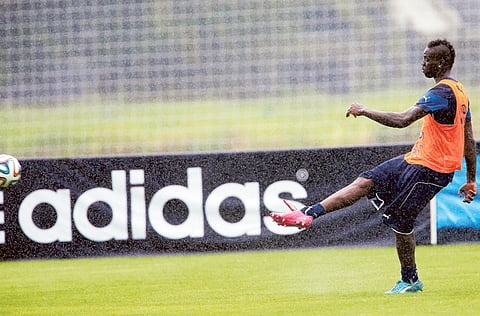
Nike’s TV buying looks certain to drop during the tournament as it beefs up its commitment to Facebook, Twitter and YouTube. Adidas is quite open about it. During the World Cup the brand will spend more on Web promotions than TV. About half its media expenditure will go online, up from a fifth in 2010. The current Adidas campaign is said to be the biggest ever and is getting hefty support from social media.
The changing nature of the industry landscape is clear when you compare the 2010 and 2014 tournaments. Four years back, South Africa was host and TV was king.
Tipping point
The growing industry consensus is that a tipping point has been reached, with confident predictions that by 2018 web ads will attract 17 per cent more media investment than TV.
It’s not just the budgets that are changing; so is the thinking. For Brazil 2014, Adidas set up “newsrooms” in cities like Shanghai and Moscow. Copywriters, filmmakers and photographers are on hand in each centre, ready to start an online conversation by posting commentary, photos and video clips.
Figures from social media sites suggest online is on the ball. Facebook has 1.28 billion users and 500 million of them are said to be football fans. That’s just one platform.
All in all, there’s just one conclusion to be drawn. The game (advertising, not football) has changed. We’ve got to change with it.
For years, the Mena focus has been on traditional formats — by which I mean 30-second TV executions backed by outstanding work in print.
Dedication to excellence in these categories enabled us to produce creative output that warrants comparison with the best in the world. We’ve brought home Cannes Lions in TV, print and the rest.
Just when we thought we’d caught up with the top agencies in Europe and North America, the game has changed and we have to adjust our sights.
We still have to aim high, but in a totally new direction.
— The writer is chief operating officer at TBWA\RAAD.


