The downside of energy drinks
These energisers can cause heart attacks and cerebral haemorrhage
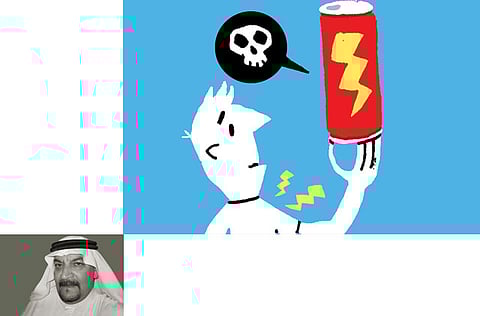
Although energy drinks have been around since the mid-eighties, the structure of their target audience has gradually shifted to the young. Through clever marketing and branding with youth activities, most of these drink companies are making themselves part of a daily diet of many young GCC residents.
They are found in the drinks sections of supermarkets every where; most come with exotic names meant to stir macho feelings within budding testosterones and in eye-catching containers. But are these drinks which are primarily targeted towards our youth harmful in the long run? Should parents and schools where such drinks are often sold not sit up and take notice?
Take the case of one such popular energy drink sold in our supermarkets and consumed on a daily basis by many of our young. It could be fatal. It was initially created to stimulate the brains in people who are subjected to great physical force and under undue stress but eventually found itself on the same shelf with soda pops and fruit juices.
This energiser drink is marketed around the world with the promise that it increases physical endurance and sharpens mental activity. It also promises to boost energy and improve one's moods. It is primarily targeted at young people and sportsmen, two segments that have been captivated by the stimulus that the drink provides.
The liquid is based on a formula that contains a high concentration of caffeine and taurine and sugars, guaranteed to send young hearts and minds fluttering into the outer perimeters of our stratosphere. While most of us are aware of the effects of excessive caffeine and sugars, the long term effects of taurine, an amino acid that occurs naturally in the body is still under study.
‘Cocktail of death'
This particular drink has been termed in France and Denmark as a ‘cocktail of death' and is prohibited for sale there including in Malaysia, due to its ingredients supplemented with glucuronolactone, a naturally occurring metabolite which is in high concentration in the drink, reportedly up to 250 times the daily requirement.
Such drinks, promoted as healthy, fun and youthful, lead many children, young people and adults to be taken in by the excitement created around them, and believe the claims by the manufacturers to be true.
However, evidence shows that it may be wise to be cautious in our consumption of energy drinks. Caffeine, taurine and glucuronolactone occur naturally in the body, but the fact that they are present in much higher doses in energy drinks may be cause for concern. Scintists say that caffeine can have an effect on the growing brain and may cause a decline in the body's immune system. There have been several notations by the medical profession when it comes to energy drinks.
- It could be dangerous particularly if one engages in physical exercise afterwards, since its energising function accelerates the heart rate and can cause a sudden attack.
- You run the risk of undergoing cerebral haemorrhage, because such drinks contain components that dilute the blood so that the heart utilises less energy to pump the blood, and thus be able to deliver physical force with less effort being exerted.
- It is prohibited to mix such drinks with alcohol, because the mixture turns the drink into a ‘deadly missile' that attacks the liver directly, causing the affected area to degenerate permanently. Alcohol Concern Cymru, a UK charity, has released a study entitled ‘Mixed Messages', which defines the obvious risks of mixing the two drinks. The charity stated that the caffeine in energy drinks masks the effects of alcohol, making drinkers less aware of the quantity they have consumed, thus leaving themselves at risk. Andrew Misell, a spokesman for Alcohol Concern Cymru, stated that,' there is a general lack of guidance about the dangers of mixing high-caffeine drinks with alcohol. A 500ml can of an average energy drink contains 160mg of caffeine which is the equivalent of a double espresso or five cans of Coca-Cola.'
- The regular consumption of such drinks among the young could trigger off symptoms in the form of a series of irreversible neurological diseases.
Excess consumption of energy drinks usually induces mild to moderate euphoria primarily caused by stimulant properties of caffeine, but also lead to agitation, anxiety, irritability and insomnia.
In conclusion, parents should absolutely forbid the consumption of such drinks by their young children, as long -term effects are yet to be fully understood. For a quick zap of energy, a glass of fresh orange juice or a banana have proven to be a far better and safer alternative.
Tariq A. Al Maeena is a Saudi socio-political commentator. He lives in Jeddah, Saudi Arabia.


