Vijay Construction: Building Seychelles' future with quality and innovation
Vijay Construction became a trusted local partner for complex infrastructure developments
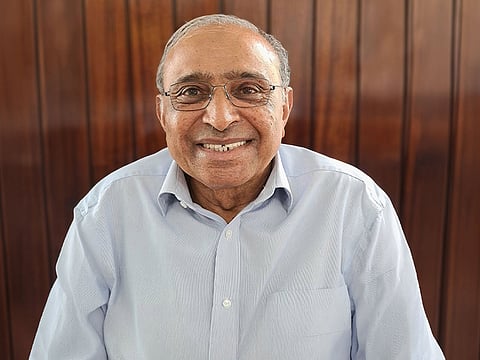
From its founding in 1979, Vijay Construction has built its reputation on quality. “For any business to progress, I focus on three factors: quality, time and price,” explains Founder V. J. Patel. “Quality comes first.” That philosophy has seen the company grow into one of Seychelles’ leading construction firms, delivering civil, commercial and infrastructure contracts across the country – including flagship projects such as the Eden Island development.
Drawing on his experience as a civil engineer and managing director of Laxmanbhai Construction, Patel established Vijay Construction on the basis of opportunity. “I believed that, regardless of politics, people and government would always need buildings,” he says. “I started, and there has been no looking back.”
Crucial to that success was Patel’s commitment to empowering teams. “When people are treated better and paid better, they are more productive,” he says. “The biggest advantage of this policy is that people take ownership. When that happens, the business flourishes.”
That empowerment has enabled Vijay Construction to pursue complex projects, including marine piling, developing in-house capabilities through hands-on learning and international partnerships. In this interview, Patel outlines the principles that underpin the company’s continued growth.
How do you position Vijay Construction to clients and investors, particularly in the UAE?
Today, many of our main clients are from the Middle East. I emphasise the same three factors with my senior team: quality, time and price. I had to learn and build that capability because I was competing against an established company, known for quality. At the beginning, I did not have trained staff, so I recruited and trained people, and I invested in people and equipment.
I emphasise the same three factors with my senior team: quality, time and price.V. J. Patel, Founder - Vijay Construction
I also pursued work I did not yet know how to do. For example, in 1982 the BBC towers project required specialised foundations using piling. I saw the opportunity and priced the first job to win it, prioritising entry over profit. I went to South Africa, found a company specialising in piling foundations, and brought them as a subcontractor. We managed it well, and the client received the job on time and within budget. I learned, trained my people and eventually tendered directly.
How do you balance innovation with risk and cost control?
I've always tried to find a niche. Niche markets bring better opportunities to innovate the business because there's less competition. This can produce better profits if managed properly. In piling, there was competition from foreign companies, and UCP also entered the market, but we remain more competitive on price.
On Eden Island, when the marina required marine piling, we were allowed to tender. I offered a better price than the South Africans, but I had to learn because I did not have staff with that expertise. My approach was to jump in and learn to swim. I employed people with experience, including a British specialist, and trained more staff.
We completed the marina with piling at depths of 25 to 30 metres. It requires courage and self-confidence. When you have confidence, you focus on solutions. You must find the method.


