Type 2 diabetes remission: Is it possible to live without medication?
At Zulekha Hospital, comprehensive medical support can help patients achieve remission
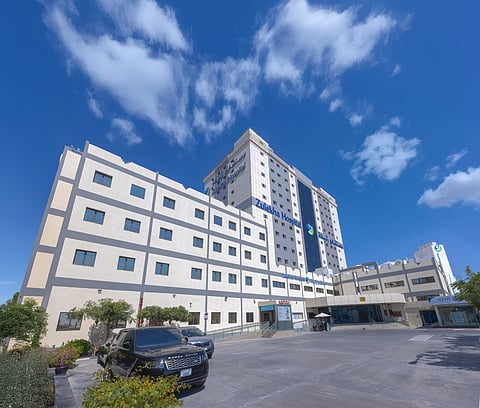
A diagnosis of type 2 diabetes does not necessarily mean a lifetime of medication. For some people, achieving diabetes remission is possible through sustained weight management, healthier eating habits and regular physical activity. However, understanding the difference between diabetes reversal and remission is essential.
According to the international consensus involving the American Diabetes Association (ADA), Endocrine Society, European Association for the Study of Diabetes (EASD) and Diabetes UK, type 2 diabetes remission is defined as maintaining the HbA1c level below 6.5 per cent (48 mmol/mol) for at least three months without glucose-lowering medication. This is different from improved blood sugar control while continuing medication, which should not be confused with remission.
Who can benefit from a diabetes remission programme?
People with a shorter history of type 2 diabetes, particularly those diagnosed within the last six years, may have a better opportunity to achieve remission. Individuals who are not dependent on insulin, are suitable candidates following medical assessment and are motivated to make sustainable lifestyle changes may also benefit. The possibility and timeline of remission vary from person to person.
The role of weight management and lifestyle changes
Weight reduction is one of the key factors associated with type 2 diabetes remission. Losing approximately 10–15kg, depending on an individual’s starting weight and clinical condition, may significantly improve blood sugar control.
A balanced approach to nutrition is equally important. Prioritising whole foods, vegetables, lean proteins and fibre-rich meals, while reducing highly processed and sugary foods, can support better metabolic health.
Physical activity also plays a vital role. Adults should aim for at least 150 minutes of moderate-intensity aerobic exercise each week, such as brisk walking. Resistance training can further help preserve muscle mass, while maintaining regular activity supports long-term weight management.
Medical guidance is important
Diabetes remission should never be attempted through unsupervised medication changes or restrictive diets. Medical supervision is essential throughout the process. Where clinically appropriate, medications such as GLP-1 receptor agonists may support appetite control and weight management alongside lifestyle interventions.
At Zulekha Hospital, the diabetes service offers structured weight management programmes, with and without GLP-1-based treatment, supported by individualised medical guidance.
Setting realistic goals, developing sustainable habits, monitoring progress and receiving continued professional support are important elements of the programme.
Life after remission
Achieving remission does not mean diabetes has been permanently cured. Blood sugar levels and weight can increase again, making continued monitoring essential. Regular clinical follow-ups and diabetes screening, generally every three months as advised by the treating physician, help assess whether remission is being maintained.
With the right combination of medical support, weight management and sustainable lifestyle changes, type 2 diabetes remission can be an achievable goal for eligible individuals.
To learn more about type 2 diabetes remission and explore personalised weight management options, book an appointment with our specialists at Zulekha Hospital. Call or WhatsApp on
+971 600 524442


